
3D computer and website loading speed test

Boost Your Website Performance with Google Search Console’s Latest INP Metric Update

Is your website not performing as well as you’d like in Google searches? Well, fret not! Google Search Console has come to the rescue with its latest update on Interaction to Next Paint (INP) metrics. This game-changing update can significantly impact your website’s SEO and overall performance. Let’s dive into how you can boost your website’s visibility and ranking with this latest development!

The Importance of Website Performance

A website’s performance is like a virtual storefront – it must be inviting, efficient, and user-friendly. In today’s digital age, where attention spans are shrinking by the second, having a fast-loading website is crucial. Users expect instant gratification when browsing online; if your site takes too long to load, they’ll click away.

Moreover, search engines like Google consider website performance as a key ranking factor. A slow or poorly optimized site can harm your SEO efforts and push you down in search results. This means fewer organic visitors and missed growth opportunities.

Additionally, user experience plays a vital role in retaining visitors and converting them into customers or subscribers. A seamless browsing experience keeps users engaged and encourages them to explore more of what your website has to offer. So, investing in optimizing your website’s performance isn’t just about rankings – it directly impacts your bottom line too!

Understanding GSC’s Latest INP Metric Update

Google Search Console (GSC) has recently introduced a new metric called the Interaction to Next Paint. This update aims to provide website owners with valuable insights into their site’s performance in terms of user experience.

The Interaction to Next Paint measures the time it takes for a webpage to become interactive, reflecting how quickly users can interact with your content once they land on your site. It is crucial because it directly impacts user engagement and satisfaction.

By understanding and monitoring this metric through GSC, website owners can identify areas that need improvement to enhance their site’s overall performance. Improving input latency not only benefits user experience but also positively influences search engine rankings.

Website owners should pay close attention to this new metric and take proactive steps to optimize their sites for faster interaction times. By doing so, they can ensure a seamless browsing experience for visitors and potentially boost their SEO efforts in the process. In more details about INP, we have explained in this article.

How the INP Metric Impacts Your Website’s SEO

The new INP metric in Google Search Console has a significant impact on your website’s SEO performance. By measuring the perceived speed and responsiveness of web pages, this metric provides valuable insights into user experience. A poor INP score can result in lower rankings and decreased visibility in search results.

Google considers page experience as a crucial ranking factor, making the INP metric even more essential for optimizing your site. Improving your website’s interactivity and loading speeds can positively influence your overall SEO strategy. Websites with faster interaction times are more likely to rank higher in search engine results pages.

Optimizing for the INP metric involves enhancing elements such as server response times, JavaScript execution, and resource load prioritization. By focusing on these areas, you can boost user engagement and retention while positively impacting your site’s SEO performance. Stay ahead of the curve by monitoring and improving your website’s INP score consistently!

Tips for Improving Your Website’s INP Score

To enhance your website’s INP score, start by optimizing your images. Large image files can slow down loading times, negatively impacting the INP metric. Compress images without compromising quality to boost performance.

Consider leveraging browser caching to store frequently accessed resources on visitors’ devices temporarily. This reduces server load and speeds up subsequent visits to your site, positively affecting the INP score.

Minimize JavaScript execution by removing unnecessary scripts or deferring their loading until after the page has rendered. This helps improve interactivity and responsiveness, key factors in enhancing user experience and ultimately the website’s INP rating.

Utilize lazy loading for images and videos to defer offscreen content rendering until users scroll down a webpage. By implementing this technique, you can prioritize above-the-fold content loading, improving initial page speed metrics that contribute to a better INP score.

Regularly monitor your website’s performance through tools like Google Search Console to identify potential issues affecting the INP metric promptly. Stay proactive in addressing any concerns to ensure optimal user experience and search engine visibility.

Conclusion


Having a well-performing website is crucial for attracting and retaining visitors. A fast-loading site not only enhances the user experience but also plays a significant role in improving SEO rankings.


Google Search Console’s latest update introduces the Interaction to Next Paint (INP) metric, aimed at measuring how quickly important pages on your website load for users. This new metric provides valuable insights into your site’s performance and helps identify areas for improvement.

With Google’s increasing emphasis on page speed as a ranking factor, the INP metric can directly impact your website’s SEO performance. Websites with faster loading times are more likely to rank higher in search results, driving organic traffic and boosting visibility online.

To enhance your website’s performance and improve its INP score, consider implementing these tips:
1. Optimize images and reduce file sizes.
2. Minimize server response times by leveraging caching techniques.
3. Prioritize above-the-fold content to ensure quick initial rendering.
4. Use Content Delivery Networks (CDNs) to distribute content closer to users.
5. Compress resources such as HTML, CSS, and JavaScript files for faster loading speeds.

Understanding the Inner of How Google Algorithm Works

Unlocking the mysteries of Google’s algorithm is like peering into the mind of a genius. It’s complex, ever-evolving, and yet holds the key to online success. Understanding how Google’s algorithm works is crucial for anyone looking to dominate search rankings and drive traffic to their website. In this blog post, we’ll delve deep into how google algorithm works, uncovering its secrets and shedding light on how it determines search rankings. So buckle up and get ready for a fascinating journey through the digital realm!

The Importance of Understanding the Algorithm

The importance of understanding Google’s algorithm cannot be overstated. It is the driving force behind search engine rankings and can make or break your online visibility. Without a thorough grasp of how the algorithm works, you risk being left in the dust while your competitors soar to the top.

By understanding the algorithm, you gain valuable insight into what factors influence search rankings. This knowledge allows you to optimize your website and content accordingly, increasing your chances of appearing on that coveted first page of search results.

Keeping up with updates and changes to Google’s algorithm is crucial. The digital landscape is constantly evolving, and so too are the algorithms that shape it. Staying informed about these updates enables you to adapt your SEO strategies and stay ahead of the curve.

Understanding how Google’s algorithm works empowers you to take control of your online presence. It gives you a competitive edge by allowing you to tailor your website optimization efforts specifically towards ranking higher in search results.

So don’t underestimate the significance of comprehending this complex system – it could be the key to unlocking untapped potential for your business or website!

Factors Affecting Google’s Algorithm


When it comes to understanding how Google’s algorithm works, one must consider the various factors that can influence its decision-making process. These factors are constantly changing and evolving, as Google strives to provide the most relevant and useful search results for its users.

One of the key factors affecting the algorithm is keyword relevance. Google looks at how well your website or webpage matches the keywords entered by users in their search queries. It takes into account both on-page optimization, such as including relevant keywords in titles and meta tags, as well as off-page signals like backlinks from authoritative websites.

Another important factor is website authority. This refers to how trustworthy and authoritative your website appears to be in the eyes of Google. Factors such as high-quality backlinks from reputable sources, positive user reviews, and a strong social media presence all contribute to building your site’s authority.

User experience also plays a significant role in determining search rankings. Google wants to ensure that when users click on a search result, they find what they’re looking for quickly and easily. Factors like page load speed, mobile-friendliness, easy navigation, and engaging content all contribute to a positive user experience.

Freshness of content is another factor considered by Google’s algorithm. It values websites that regularly update their content with fresh information that is relevant to current trends or events within their industry.

Furthermore, social signals have gained importance over time. The number of likes/shares you receive on platforms like Facebook or Twitter can indicate popularity and credibility which impact rankings.

Lastly but not leastly – there are technical aspects such as proper HTML structure with appropriate use of headings (H1-H6), descriptive alt tags for images etc., which help bots understand your website better thus improving ranking potential based on these attributes too!

How Google Determines Search Rankings


Google’s search ranking algorithm is a complex and ever-evolving system that takes into account various factors to determine the relevance and quality of websites. One of the key components in this process is the use of keywords. When you enter a search query, Google analyzes the words used and matches them with relevant web pages.

However, keywords alone are not enough to secure a high ranking on Google. The algorithm also considers other important factors such as website authority, user experience, backlinks, and content quality. Websites with authoritative links from reputable sources tend to rank higher as they are seen as more trustworthy by Google.

Another crucial aspect is user experience. If your website provides a seamless browsing experience with fast loading times and easy navigation, it signals to Google that your site offers value to users.

Content quality plays an equally significant role in determining search rankings. Websites with well-written, informative content that aligns with users’ search intent have better chances of appearing at the top of SERPs (Search Engine Results Pages).

Additionally, engagement metrics like click-through rates (CTR) and bounce rates influence how Google ranks your site. Higher CTRs indicate that users find your page valuable while low bounce rates reflect relevancy.

Understanding how Google determines search rankings involves recognizing the importance of keywords along with considering aspects such as website authority, user experience, backlinks, content quality, and engagement metrics

Updates and Changes to Google’s Algorithm

Google’s algorithm is constantly evolving and being updated to provide users with the most relevant and high-quality search results. These updates can have a significant impact on website rankings, making it crucial for businesses to stay informed about changes to the algorithm.

One of the major reasons why Google regularly updates its algorithm is to improve user experience. The goal is to ensure that searchers are presented with accurate and up-to-date information when they conduct a search. This means that websites need to keep their content fresh, informative, and engaging in order to maintain or improve their rankings.

Another reason for these updates is to combat spammy tactics employed by some websites trying to manipulate the system. Google wants legitimate websites with valuable content to rank higher, while penalizing those who engage in black hat SEO practices such as keyword stuffing or link schemes.

To stay ahead of these updates and changes in the algorithm, it’s important for website owners and SEO professionals alike to regularly monitor industry news and be proactive in adapting their strategies accordingly. This can involve conducting regular audits of your website’s performance, analyzing traffic patterns, monitoring keyword rankings, and staying up-to-date on best practices recommended by Google.

While keeping up with every single update may seem daunting, focusing on creating quality content that satisfies user intent will usually align well with Google’s ultimate goals. By providing value through your website’s content—whether it’s blog articles, product descriptions or landing pages—you increase your chances of ranking higher even amidst algorithmic changes.

Tips for Optimizing Your Website for the Algorithm

Optimizing your website for Google’s algorithm is crucial if you want to improve your search rankings and drive more organic traffic. While the inner workings of the algorithm may seem complex, there are several strategies you can implement to increase your website’s visibility. Here are some tips to help you optimize your website for the algorithm.

Focus on creating high-quality content that provides value to your audience. Google places a strong emphasis on user experience, so make sure your content is informative, engaging, and easy to navigate. Incorporate relevant keywords naturally into your content but avoid keyword stuffing as it can harm your rankings.

Next, pay attention to your website’s structure and organization. Ensure that it is easy for both users and search engines to navigate through different pages of your site. Use descriptive URLs, header tags (H1-H6), and Meta tags including title tags and Meta descriptions.

Additionally, ensure that your website loads quickly across all devices. Site speed is an important ranking factor as it affects user experience. Optimize images by compressing them without compromising their quality or use caching techniques.

Furthermore, build high-quality backlinks from reputable websites in order to boost authority and credibility in the eyes of search engines like Google. Focus on obtaining backlinks from relevant sources within or related industries as this will signal relevance.

Regularly monitor and analyze data about how visitors interact with your website using tools like Google Analytics. This will help you identify areas for improvement such as high bounce rates or low conversion rates.

By implementing these optimization strategies consistently over time while staying up-to-date with any changes in Google’s algorithm updates (such as BERT or Core Web Vitals), you can enhance the visibility of your website in search engine results pages (SERPs) thereby increasing organic traffic potential!

Common Myths about Google’s Algorithm As we delve deeper into understanding the how Google algorithm works, it is essential to debunk some common myths surrounding its functionality. These misconceptions often lead website owners astray and prevent them from optimizing their sites effectively. Let’s explore these myths and set the record straight.

Myth #1: Keyword stuffing guarantees higher rankings.
Contrary to popular belief, keyword stuffing does not work in your favor. While using relevant keywords is crucial for SEO, overusing them can trigger penalties from Google. The algorithm has evolved to prioritize high-quality content that provides value to users instead of focusing solely on keyword density.

Myth #2: Backlinks are no longer important.
Backlinks still play a significant role in determining search rankings. However, it’s important to focus on quality rather than quantity. A few authoritative backlinks from reputable websites hold more weight than numerous low-quality links. Building genuine relationships with other industry leaders and creating valuable content will naturally attract backlinks.

Myth #3: Social media signals directly impact search rankings.
While social media presence can indirectly influence your site’s visibility, there is no direct correlation between social signals (likes, shares) and search rankings. However, engaging with your audience on social platforms increases brand awareness and drives traffic to your website – factors that can contribute positively to SEO efforts.

Myth #4: Paying for ads boosts organic search results.
Investing in paid advertising through platforms like Google Ads may increase visibility within ad placements but does not directly improve organic search rankings. Organic results are determined by various factors like relevance, user experience, website structure, and content quality.

In conclusion,
Understanding how Google’s algorithm works plays a vital role in optimizing your website for better visibility and higher search rankings. By considering the various factors affecting the algorithm – including relevance, authority-building through backlinks, user experience optimization – you can position yourself ahead of competitors.

Is It Worth the Investment? Understanding the Expenses behind Instagram Verification

Unlocking the coveted blue checkmark on Instagram has become a status symbol for influencers, celebrities, and even businesses. It signals authenticity, credibility, and a stamp of approval from the platform itself. But have you ever wondered how much it actually costs to get verified on Instagram? Is it worth the investment? In this blog post, we’ll delve into the mysterious world of Instagram verification badge and break down the expenses involved. From understanding what verification entails to exploring alternative options, we’ll help you navigate through this process and make an informed decision about your social media strategy. So fasten your seatbelts as we embark on this journey together!

What is Instagram Verification?


Instagram verification is a process that distinguishes legitimate accounts from fake or impersonator profiles. It involves obtaining the elusive blue checkmark next to your username, which serves as a visual indicator of authenticity and credibility. This coveted badge signifies that Instagram has verified the identity of the account holder, ensuring users can trust their content and interactions.

The Benefits of Verification on Instagram


Instagram verification comes with several benefits that make it a worthwhile investment for many users. First and foremost, the coveted blue checkmark symbolizes authenticity and credibility. It shows your followers that your account is legitimate, which can help build trust and increase engagement.

Furthermore, verified accounts are more likely to appear in search results when users search for specific keywords or hashtags related to your content. This increased visibility can lead to greater exposure for your brand or personal profile.

In addition, being verified on Instagram opens up opportunities for collaborations and partnerships with other brands and influencers. Many businesses prefer working with verified accounts as they provide an added level of legitimacy to their marketing efforts.

Moreover, verification grants you access to exclusive features such as swipe-up links in Stories (usually reserved for accounts with 10k+ followers) and the ability to add links directly in IGTV videos. These features enhance user experience by allowing you to drive traffic directly from your Instagram posts.

Having a verified badge can protect your account from impersonation or fake accounts trying to exploit your reputation. The blue checkmark acts as a shield against potential fraudsters who may attempt to deceive others using your name or brand identity.

The benefits of Instagram verification extend beyond mere aesthetics; they contribute significantly towards establishing credibility, expanding reach, fostering collaborations, enhancing user experience, and safeguarding against impersonation attempts – all essential elements for success on the platform.

The Cost of Instagram Verification


One question that often comes to mind when considering Instagram verification is, “How much does it cost?” While there isn’t a set price for getting verified on Instagram, it’s important to understand the expenses involved.

First and foremost, it’s crucial to note that Instagram does not charge a fee for verification. However, the process usually requires the help of third-party services or agencies specializing in social media management. These services come at a cost.

The fees associated with verifying an account can vary greatly depending on several factors. The size and influence of your brand or personal account play a significant role in determining the price tag. Additionally, the level of assistance you require from these third-party services will also impact the overall expense.

Factors like geographic location and industry niche may further influence the cost as well. In some cases, popular influencers or high-profile individuals may need to invest more due to their larger following and increased demand for verification.

It’s worth noting that while paying for verification might seem expensive upfront, it can provide numerous benefits in terms of credibility and visibility on the platform. By obtaining that coveted blue checkmark next to your name, you enhance your reputation and make yourself stand out among competitors.

Being verified allows you access to exclusive features such as swipe-up links in stories (for accounts with over 10k followers) which can be incredibly valuable for businesses looking to drive traffic directly from their Instagram profiles.

While there isn’t a fixed price for Instagram verification badge itself since it typically involves using third-party services or agencies whose prices vary based on multiple factors – investing in this process could prove worthwhile if you’re looking to establish trustworthiness and gain an edge over others in today’s competitive digital landscape.

Factors That Affect the Price


When it comes to Instagram verification badge, there are several factors that can influence the price you will need to pay. It’s important to understand these factors so you can have a clear idea of what you might expect in terms of expenses.

One major factor is your current level of visibility and notoriety on the platform. If you’re already a well-known public figure or brand with a large following, chances are that verification will come at a higher cost. On the other hand, if you’re just starting out or have a smaller audience, the price may be more affordable.

Another factor to consider is the complexity of your verification request. If your account has unique circumstances or requires additional documentation for validation, this could lead to increased costs as well. Additionally, if you choose to hire an agency or professional service to assist with the verification process, their fees will also contribute to the overall expense.

Market demand and competition play a role in determining pricing. As more individuals and businesses seek verification on Instagram, there may be an increase in prices due to supply and demand dynamics.

Understanding these factors can help you make an informed decision about pursuing Instagram verification based on your budget and goals.

Alternatives to Instagram Verification

In the ever-evolving world of social media, Instagram verification has become a sought-after status symbol. But what if you don’t meet the eligibility criteria or simply can’t afford the costly price tag that comes with it? Fear not, because there are alternative ways to boost your profile and establish credibility without the coveted blue checkmark.

One such alternative is building a strong personal brand. By consistently sharing high-quality content that resonates with your target audience, engaging with your followers, and collaborating with other influencers in your niche, you can create a reputation for yourself as an authority in your field.

Another option is to leverage Instagram’s features and tools to optimize your profile. Utilize hashtags strategically to increase visibility and reach. Engage with others by liking, commenting on, and sharing their posts. And don’t forget about stories! They provide an opportunity for authenticity and connection with your audience on a more personal level.

Collaborating with brands or influencers who are already verified can also lend credibility to your account. By partnering up for sponsored content or collaborations, you can tap into their existing follower base and gain exposure to new audiences.

Consider investing in targeted advertising campaigns on Instagram. Paid promotions allow you to reach specific demographics or interests that align with your brand while increasing visibility among potential followers or customers.

While these alternatives may not offer the same prestige as Instagram verification does, they do provide viable options for establishing credibility and growing your presence on the platform without breaking the bank

Tips for Maximizing Your Investment


Now that you have a better understanding of the expenses behind Instagram verification badge, it’s important to make the most out of your investment. Here are some tips to help you maximize the benefits:

1. Build an Engaged Audience: Verification is more likely if you have a significant following on Instagram. Focus on creating high-quality content that resonates with your target audience and encourages engagement.

2. Develop a Strong Brand Identity: Invest time in building a strong brand identity by consistently using recognizable visuals, colors, and messaging across all your social media platforms. This will increase your chances of getting noticed by Instagram.

3. Establish Credibility: Showcasing credibility is crucial when seeking verification. Share testimonials, positive reviews, collaborations with reputable brands or influencers, and any other recognition that validates your authority in your field.

4. Be Active and Consistent: Regularly post engaging content on Instagram to keep your followers interested and attract new ones. Use relevant hashtags strategically to improve visibility and reach.

5. Interact with Your Followers: Responding to comments and direct messages not only fosters stronger relationships with your audience but also signals to Instagram that you are actively engaged with them.

6. Collaborate with Influencers or Verified Accounts: Partnering with influential individuals or verified accounts can enhance both your credibility and visibility on Instagram.

7. Leverage Other Social Media Platforms: Utilize other social media channels like Facebook, Twitter, YouTube, or TikTok to promote your Instagram account and increase visibility across different platforms.

8. Use Analytics Tools:
Leverage analytics tools provided by Instagram (such as Insights) or third-party applications to understand what type of content performs best for you so that you can optimize future posts accordingly.

Remember, no guarantee investing in verification will automatically lead to success overnight; however, taking these steps can significantly improve your chances of obtaining the coveted blue checkmark symbol on Instagram.

Results Analysis Discovery Investigation Concept

Understanding Google BERT: How It Transforms Search Results and Improves User Experience

The power of language has always been at the forefront of technological advancements. From deciphering ancient scripts to creating virtual assistants, our thirst for understanding and communicating with words knows no bounds. And now, Google BERT is here to revolutionize the way we search for information online.

Imagine a search engine that comprehends context, and even human-like subtleties in language. With BERT (Bidirectional Encoder Representations from Transformers), Google has taken a giant leap forward in Natural Language Processing (NLP) – bringing us closer than ever to an internet experience that truly understands what we’re looking for.

In this blog post, we’ll delve into the BERT and how it transforms search results while enhancing user experience. So fasten your seatbelts as we embark on an exciting journey through the world of Google’s AI-powered masterpiece!

What is Natural Language Processing (NLP)?

Natural Language Processing (NLP) is a field of artificial intelligence that focuses on enabling computers to understand, interpret, and respond to human language. It involves teaching machines how to comprehend the intricacies of human communication – from written text to spoken words.

At its core, NLP aims to bridge the gap between humans and machines by providing algorithms and models that can process natural language in a way that mimics our own cognitive abilities. By harnessing the power of machine learning techniques, NLP algorithms can analyze vast amounts of textual data, extract meaningful insights, and even generate coherent responses.

One key challenge in NLP is understanding the contextual meaning behind words or phrases. For instance, consider the word “Bank” – without context, it could refer to a financial institution or an edge along a river. However, with proper context analysis using NLP techniques like BERT, machines can accurately determine which meaning is intended based on surrounding words and sentence structure.

NLP has numerous applications across various industries. In customer service Chabot or virtual assistants like Siri or Alexa, NLP enables these systems to understand user queries more effectively and provide accurate responses. It also plays a vital role in sentiment analysis for social media monitoring tools by determining whether online content expresses positive or negative emotions.

Natural Language Processing revolutionizes how we interact with technology by empowering computers with language comprehension capabilities akin to our own linguistic prowess. Through sophisticated algorithms like BERT working tirelessly behind the scenes, we are witnessing remarkable advancements in search technology and user experience enhancement.

The Role of BERT in NLP

When it comes to Natural Language Processing (NLP), Google BERT has emerged as a game-changer. Short for Bidirectional Encoder Representations from Transformers, BERT is an AI model that has revolutionized the way search engines understand and process language.

BERT plays a crucial role in NLP by enabling machines to grasp the intricacies of human language better than ever before. It achieves this by utilizing transformer models, which allow bidirectional processing of text data.

Unlike previous models that processed words individually without considering their context, BERT takes into account the surrounding words when understanding a sentence. This contextual understanding allows for more accurate interpretation and comprehension of complex queries.

By comprehending context, BERT can decipher nuances such as word ambiguity and homonyms. This means that search results are now more relevant and aligned with user intent, leading to an overall improved user experience.

BERT also aids in handling long-tail queries or conversational searches effectively. With its ability to comprehend natural language patterns, BERT ensures that users receive precise answers even if their query may be lengthy or phrased conversationally.

The role of BERT in NLP cannot be overstated. Its contextual understanding capabilities have transformed search technology by delivering highly relevant results and enhancing user experience like never before!

How BERT Works

BERT, short for Bidirectional Encoder Representations from Transformers, is an innovative natural language processing (NLP) model developed by Google. Unlike previous models that processed text in a sequential manner, BERT has the ability to understand the context of words both before and after a given word or phrase. This bidirectional approach allows it to capture more accurate and nuanced meanings.

At its core, BERT utilizes transformers which are neural networks designed to handle sequences of data efficiently. These transformers analyze each word within a sentence in relation to all other words present. By doing so, BERT can grasp intricate relationships between different elements of language.

One key aspect of how BERT works is its pre-training process where it learns using vast amounts of unlabeled text data collected across the web. During this phase, the model predicts missing words within sentences based on their surrounding context. This enables BERT to develop a deep understanding of syntax and semantics.

Once pre-training is complete, fine-tuning takes place using labeled data specific to various tasks such as sentiment analysis or question-answering. Fine-tuning allows BERT to adapt its knowledge base for specific applications and improve performance even further.

BERT’s power lies in its ability to comprehend complex nuances by considering both preceding and subsequent content within sentences. Its use of transformer networks alongside extensive pre-training and fine-tuning processes make it an effective tool for improving search results and user experience. As we continue exploring the potential applications of this groundbreaking technology, exciting possibilities await us in the world of NLP!

Impact on Search Results and User Experience

Google BERT has had a significant impact on search results and user experience since its introduction. With its ability to understand the context of words in a search query, BERT has revolutionized the way Google interprets user intent.

One of the key impacts of BERT is that it helps Google provide more relevant search results. By comprehending the subtleties of natural language, BERT ensures that users receive accurate answers to their queries. This means less time wasted sifting through irrelevant information and more time spent finding what they are looking for.

Additionally, BERT has improved user experience by enabling Google to better understand conversational queries. This is particularly important as voice search becomes increasingly popular. By understanding the meaning behind longer, more complex sentences, BERT can deliver precise responses that match user expectations.

Furthermore, with its deep understanding of language semantics, BERT enhances contextual relevance in search results. Users are now presented with content that aligns closely with their search intent, leading to a more satisfying browsing experience.

Future Implications of BERT in Search Technology

The introduction of Google BERT has undoubtedly revolutionized the search landscape, but what does the future hold for this groundbreaking technology? As AI continues to advance and NLP becomes more sophisticated, we can expect BERT to play an increasingly significant role in shaping search results and improving user experience.

One potential future implication of BERT is the ability to better understand complex queries. With its deep understanding of context and nuances, BERT can decipher the intent behind long-tail keywords or conversational searches, delivering more relevant results. This means that users will receive answers that truly match their queries, enhancing overall satisfaction.

BERT also opens up new possibilities for voice search. As voice assistants like Siri and Alexa become increasingly popular, optimizing content for natural language processing will be crucial. By leveraging BERT’s capabilities, websites can ensure that their content aligns with how people speak naturally.

Another exciting prospect is the potential impact on multilingual search. Currently, language barriers pose a challenge when it comes to accessing information online. However, with BERT’s ability to comprehend different languages’ intricacies and nuances better than ever before, searching across multiple languages could become seamless.

Furthermore, as machine learning algorithms continue to refine themselves over time using vast amounts of data (like Google’s RankBrain), we can expect improvements in personalized search experiences thanks to BERT’s contributions. Users may see even more tailored recommendations based on their preferences and browsing history.

Conclusion

In this era of rapidly evolving technology, Google BERT has emerged as a game-changer in the world of search. With its advanced natural language processing capabilities, it has revolutionized how search engines understand user queries and deliver relevant results.

BERT’s ability to comprehend context and nuances within sentences has greatly improved the accuracy of search results. By taking into consideration the entire phrase rather than just individual words, BERT ensures that users receive more precise answers to their queries.

This transformation in search technology is not only beneficial for users but also presents new opportunities for businesses and content creators. With a better understanding of user intent, they can create high-quality content that aligns with what people are looking for. This ultimately leads to a more satisfying user experience and increased visibility for websites.

As we look ahead, it’s clear that BERT is just the beginning of an exciting journey towards even smarter search engines. The continuous advancements in natural language processing will undoubtedly shape the future of information retrieval on the internet.

So next time you type a query into your favorite search engine, remember that behind those results lies an intelligent algorithm working tirelessly to provide you with accurate and relevant information – thanks to Google BERT!

Understanding Email Marketing Bounce Rate: How to Analyze and Improve Your Campaigns

If you’ve worked tirelessly on crafting the perfect email campaign. The subject line is attention-grabbing, the content is engaging, and you’ve hit that “Send” button with high hopes. But what happens when your carefully crafted emails don’t reach their intended recipients? That’s where understanding email marketing bounce rate comes into play.
Bounce Rate is a metric that can provide valuable insights into the effectiveness of your campaigns and help you identify areas for improvement. In this blog post, we’ll delve deeper into what exactly bounce rate is, why it matters, how to analyze it, and most importantly, how to improve it.

What is a Bounce Rate and Why Does it Matter?

When it comes to email marketing, understanding your bounce rate is crucial. But what exactly does this term mean? A bounce rate refers to the percentage of emails that were not delivered successfully to recipients’ inboxes. Instead, they “bounce” back as undeliverable.

So why does the bounce rate matter? Well, for starters, it can directly impact your campaign’s success. A high bounce rate indicates that there may be issues with your email list or the quality of your contacts. It can also signal potential deliverability problems with certain ISPs or spam filters.

Additionally, a high bounce rate can negatively affect your sender reputation. Email service providers take note of excessive bounces and may flag you as a potential spammer if the problem persists over time.

By keeping an eye on your bounce rate and taking steps to reduce it, you’re ensuring that more of your emails reach their intended audience and improving overall engagement with your campaigns. So let’s dive into how you can analyze and improve this important metric!

Types of Bounces and Their Causes

When it comes to email marketing, understanding the types of bounces and their causes is crucial for optimizing your campaigns. A bounce occurs when an email fails to reach its intended recipient’s inbox. It can be categorized into two main types: Hard Bounces and Soft Bounces.

Hard Bounces: These are permanent delivery failures caused by invalid or non-existent email addresses. This could happen if a recipient has changed their address or if there was a typo in the email entered during sign-up. Other common reasons for hard bounces include blocked domains or inactive accounts.

Soft Bounces: Soft bounces are temporary delivery failures that may occur due to various reasons like a full mailbox, server issues, or message size restrictions. Soft bounces give you an opportunity to re-send your message later when the issue is resolved.

To minimize both types of bounces, regularly clean your mailing list by removing invalid addresses and updating any changes provided by subscribers. Utilize double opt-in methods during signup to ensure accurate information from the start.

Remember that reducing bounce rates requires constant evaluation and adaptation as technology evolves. Stay informed about industry best practices while continuing to test different tactics in order to optimize email campaigns effectively.

How to Analyze Your Email Marketing Bounce Rate

Analyzing your email marketing bounce rate is crucial for understanding the performance of your campaigns and identifying areas that need improvement. So, how can you effectively analyze your bounce rate?

Take a closer look at the types of bounces you’re experiencing. There are two main types: hard bounces and soft bounces. Hard bounces occur when an email cannot be delivered due to permanent reasons like an invalid or non-existent email address. On the other hand, soft bounces are temporary delivery failures caused by issues such as a full inbox or server problems.

To dig deeper into why these bounces are happening, examine the bounce codes associated with each bounced email. These codes provide valuable insights into the specific reasons behind the failed delivery attempts.

Tracking metrics such as open rates and click-through rates alongside your bounce rate will give you a more comprehensive view of how engaged your audience is with your emails.

Regularly monitor and analyze changes in your bounce rate over time to identify any improvements or setbacks in deliverability. By consistently reviewing this data and making necessary adjustments to optimize deliverability, you’ll be able to improve overall campaign success.

Remember that analyzing your email marketing bounce rate should be an ongoing process rather than a one-time task. Continuously evaluating this metric will empower you to make informed decisions about optimizing future campaigns for better engagement and higher deliverability rates.

Tips for Improving Your Bounce Rate

1. Keep your email list clean and up to date: Regularly remove inactive or invalid email addresses from your list to reduce the chances of bounces. Consider using an email validation tool to verify the legitimacy of email addresses before sending out campaigns.

2. Use double opt-in for new subscribers: Implementing a double opt-in process ensures that only engaged and interested individuals are added to your email list. This helps minimize the risk of bounces caused by typos or fake emails.

3. Personalize your emails: Tailor your messages based on recipient preferences, behaviors, and demographics. Personalization increases engagement, which in turn reduces bounce rates.

4. Optimize subject lines and preheader text: A compelling subject line combined with an attention-grabbing preheader text can entice recipients to open and engage with your emails, reducing the likelihood of them bouncing.

5. Segment your audience effectively: Divide your subscriber base into smaller groups based on specific criteria such as interests, location, or purchase history. By sending targeted content relevant to each segment’s needs and preferences, you can lower bounce rates.

6. Ensure mobile responsiveness: With a significant number of people checking their emails on mobile devices, it is crucial that your emails display correctly across different screen sizes and operating systems.

7. Offer valuable content consistently: Delivering high-quality content consistently builds trust with subscribers and encourages them to stay subscribed instead of bouncing.

8. Provide clear unsubscribe options: Make it easy for recipients who no longer wish to receive emails from you to unsubscribe without resorting to marking you as spam – which would increase bounce rates

Remember that improving bounce rate takes time and effort; don’t be discouraged if results aren’t immediate! Keep testing different strategies while monitoring analytics closely so you can make data-driven decisions moving forward.

Best Practices for Reducing Bounces in Your Email Campaigns

When it comes to email marketing, reducing bounces is crucial for ensuring the success of your campaigns. High bounce rates not only impact your deliverability but also indicate that you may be targeting invalid or unengaged email addresses. To help you improve your email marketing bounce rate, here are some best practices to follow:

1. Build a Quality Email List: Start by collecting email addresses from engaged and interested subscribers who have willingly opted-in to receive emails from you. Avoid purchasing or using old lists as they often contain outdated or invalid addresses.

2. Use Double Opt-In: Implementing a double opt-in process adds an extra layer of confirmation, ensuring that subscribers genuinely want to receive emails from you.

3. Regularly Cleanse Your List: Regularly review and remove inactive or unresponsive subscribers from your list. This will not only reduce bounces but also improve the overall engagement of your campaigns.

4. Segment Your List: By segmenting your audience based on their preferences, demographics, or behavior, you can send targeted and relevant content that resonates with each segment.

5. Personalize Your Emails: Adding personal touches such as using the recipient’s name in the subject line or body of the email can help increase engagement and reduce bounces.

6. Test before Sending: Always test your emails before sending them out to ensure they display correctly across various devices and platforms.

7. Track Engagement Metrics: Monitor open rates, click-through rates (CTRs), and conversion rates regularly to identify trends and patterns among engaged users versus those who frequently bounce.

By following these best practices for reducing bounces in your email campaigns, you’ll not only improve deliverability but also enhance engagement with your target audience while maximizing campaign effectiveness.

Conclusion

Analyzing and improving your email marketing bounce rate is crucial for the success of your campaigns. By understanding what a bounce rate is and why it matters, you can take steps to reduce bounces and increase the effectiveness of your emails.

Remember that there are two types of bounces – hard bounces and soft bounces – each with its own causes. Analyzing your bounce rate will help you identify any issues or patterns that may be affecting your deliverability.

To improve your bounce rate, focus on maintaining a clean email list, using double opt-in methods, regularly updating contact information, and creating engaging content that resonates with your audience. Additionally, make sure to follow best practices such as avoiding spam trigger words and testing different aspects of your campaigns.

Reducing bounces in your email campaigns not only improves deliverability but also enhances customer engagement and conversions. By keeping track of metrics like open rates, click-through rates, and unsubscribe rates alongside the bounce rate, you can gain valuable insights into the overall performance of your email marketing efforts.

In conclusion by actively monitoring and optimizing your email marketing bounce rate, you can significantly enhance the success of future campaigns while building stronger relationships with subscribers. Remember to continuously analyze results, experiment with different strategies, constantly refine tactics based on data-driven insights—and watch those bouncing numbers decrease while conversions soar!

Understanding the Different Types of Social Media Content

In today’s fast-paced, having a strong presence on social platforms is essential for any brand or business. But what exactly is social media content? It goes beyond just posting a random photo or sharing a link. Social media content encompasses various forms and formats that have the power to captivate, engage, and connect with your audience. In this blog post, we’ll dive into the different types of social media content that can take your online presence to new heights.

The Power of Visual Content: Images and Videos

Visual content has become an essential component of social media marketing strategies. In a world where attention spans are shorter than ever, images and videos have the power to captivate audiences and convey messages quickly and effectively.

Images are a versatile form of visual content that can be used in various ways across different social media platforms. They can include product photos, info graphics, memes, or even quotes. The key is to choose images that align with your brand’s voice and resonate with your target audience.

Videos take visual content to the next level by adding motion and sound. They allow brands to tell stories, demonstrate products or services, share tutorials, or simply entertain their followers. Whether it’s a short clip for Instagram Reels, YouTube Shorts or a longer video for YouTube, incorporating videos into your social media strategy can significantly boost engagement levels.

The power of visual content lies in its ability to grab attention quickly and evoke emotions. Studies have shown that people process visuals faster than text-based content, making them more likely to stop scrolling through their feeds and engage with your posts.

To make the most out of visual content on social media, it’s important to optimize it for each platform’s specifications. This includes using high-resolution images or videos that fit within the recommended dimensions for optimal viewing quality.

video creating

Written Content: Captions, Blogs, and Articles


When it comes to social media content, written pieces play a vital role in engaging your audience. Captions are short yet impactful snippets that accompany your visual content and provide context or evoke emotion. These bite-sized gems can be witty one-liners, thought-provoking questions, or even informative descriptions.

Blogs take things a step further by providing more in-depth information on a particular topic. They allow you to showcase your expertise while offering valuable insights to your readers. Whether it’s a how-to guide, industry trends analysis, or tips and tricks article, blogs help establish you as an authority in your field.

Articles are similar to blogs but typically longer and more formal. They delve into specific subjects with extensive research and analysis. While articles may not be as frequently posted on social media platforms due to their length, they can be shared through links on various channels like LinkedIn or email newsletters.

Regardless of the format you choose – captions, blogs or articles – well-crafted written content is crucial for driving engagement and building brand credibility online. So go ahead and let your words make an impact!

vlada karpovich


Interactive Content: Polls, Quizzes, and Contests


Engaging your audience is crucial on social media platforms. One effective way to do this is through interactive content such as polls, quizzes, and contests. These types of posts not only capture attention but also encourage participation from your followers.

Polls are a simple yet effective way to gather opinions and feedback from your audience. You can ask questions related to your brand or industry and let people vote for their preferred option. This not only helps you understand your audience better but also generates valuable insights that can be used for future marketing strategies.

Quizzes are another popular form of interactive content that can drive engagement. Create quizzes related to your niche or products/services and challenge your followers’ knowledge. People love testing their skills and sharing the results with others, which can lead to increased shares and exposure for your brand.

Contests take engagement a step further by offering incentives for participation. Whether it’s a giveaway or a competition where participants need to submit creative entries, contests create excitement among your audience. They not only generate buzz around your brand but also attract new followers who want a chance to win.

By incorporating interactive content into your social media strategy, you can foster meaningful connections with your audience while gaining valuable insights about their preferences and interests. So go ahead! Start creating engaging polls, fun quizzes, and exciting contests that will captivate your followers on social media!
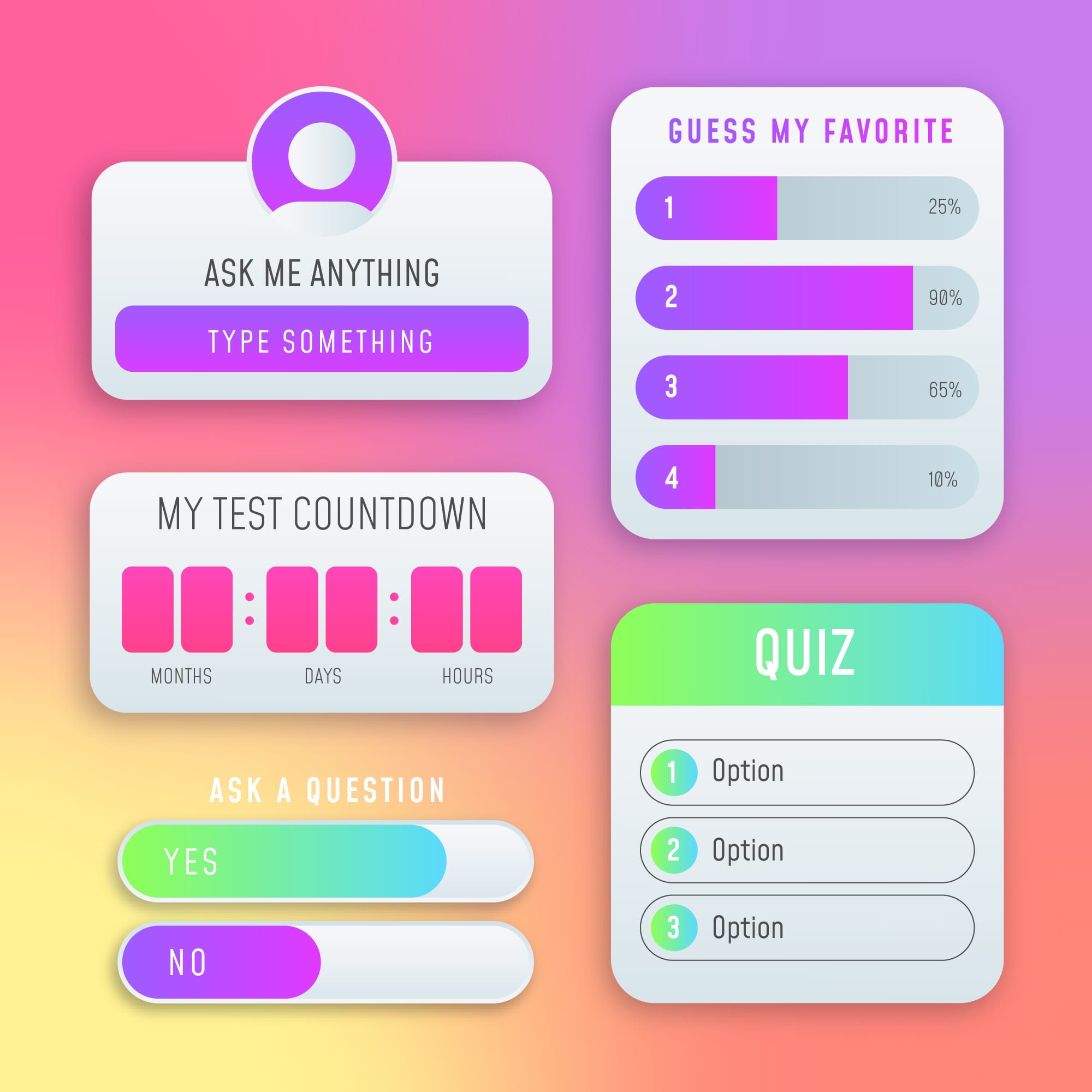
Image of polls on social media

User-Generated Content: Reviews and Testimonials


One of the most powerful types of social media content is user-generated reviews and testimonials. These are valuable because they come directly from real customers who have experienced your brand or product. When other users see positive reviews or testimonials, it builds trust and credibility for your brand.

Reviews allow customers to share their opinions about their experience with your product or service. This can be done through star ratings, written feedback, or even video testimonials. It provides potential customers with an authentic perspective on what they can expect when engaging with your brand.

Testimonials take this a step further by showcasing specific success stories from satisfied customers. These personal accounts highlight the benefits and results that others have achieved by using your products or services.

When incorporating user-generated content into your social media strategy, it’s important to encourage customer participation. Ask for reviews and testimonials directly, offer incentives such as discounts or exclusive offers in exchange for their feedback.

By leveraging the power of user-generated content like reviews and testimonials, you not only engage with your audience but also create a sense of community around your brand. So don’t underestimate the impact that genuine customer experiences can have on shaping public perception!

Choosing the Right Type of Content for Your Brand


When it comes to social media content, there is no one-size-fits-all approach. Each brand has its own unique voice and target audience, which means that choosing the right type of content is crucial for success.

To determine the best type of content for your brand, consider your goals and objectives. Are you looking to increase engagement, drive traffic to your website, or build brand awareness? Once you have a clear understanding of what you want to achieve, you can start experimenting with different types of content.

If visual storytelling resonates well with your audience, focus on creating eye-catching images and compelling videos. These formats are highly shareable and can help capture attention in a crowded social media landscape. Experiment with different styles and themes to see what works best for your brand.

Interactive content can also be an effective way to boost engagement on social media platforms. Polls allow you to gather insights from your audience while quizzes add an element of fun and interactivity. Contests are another great option as they encourage user participation by offering incentives such as prizes or discounts.

Don’t underestimate the power of user-generated content (UGC). Reviews and testimonials from satisfied customers can act as powerful endorsements for potential buyers. Encourage users to share their experiences with your products or services by running campaigns that highlight UGC.

Remember that successful social media marketing involves testing and iterating based on data-driven insights. Keep track of metrics such as likes, shares, comments, and click-through rates, to understand which types of content resonate most with your audience.
By continually refining your strategy, you can optimize your social media content to achieve your goals.

Maximizing Your PPC Performance: Tips for Success in the Digital Advertising World

In this highly competitive digital world, Google Pay-Per-Click (PPC) advertising has emerged as a powerful tool for businesses to reach their target audience and drive measurable results. But how do you ensure that your PPC campaigns are performing at their peak? How can you maximize your ad spend and achieve the best ROI possible? Fear not! In this blog post, we will unlock into the secrets of maximizing your PPC performance, getting you with tips and strategies to conquer the digital advertising world.

1. Understanding the Basics of PPC

PPC, or Pay-Per-Click, is a digital advertising model where advertisers pay a fee each time their ad is clicked. It’s an effective way to drive targeted traffic to your website and boost conversions. But how exactly does it work?

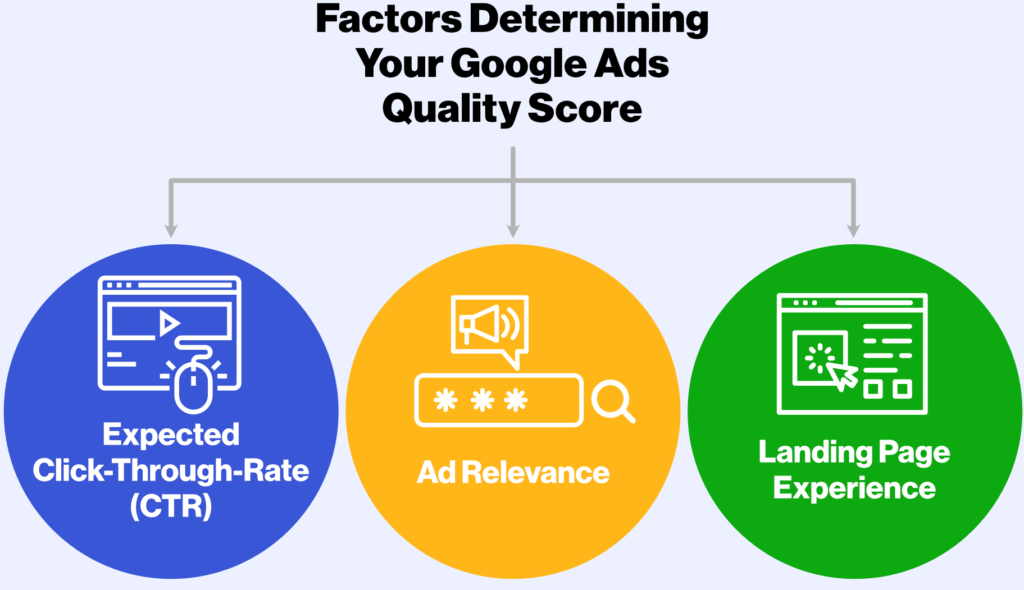
At its core, PPC involves bidding on keywords relevant to your business and creating ads that will appear when those keywords are searched for. The position of your ad in search engine results pages (SERPs) is determined by factors like bid amount, quality score, and relevance.

Quality Score: One key aspect of understanding PPC is the concept of quality score. This metric evaluates the relevance and overall user experience of your landing page and ad copy. A higher quality score can result in lower costs per click (CPC) and better ad positions.

Budget: Next, fundamental element is setting a budget for your campaign. By determining how much you’re willing to spend on clicks, you have control over your daily or monthly ad spend.

Ads Type: It’s also important to understand the different types of PPC campaigns available. Search ads display text-based ads at the top of SERPs based on keywords, while display ads use images or videos on websites within Google’s network.

By familiarizing yourself with these basics, you’ll be well-equipped to dive deeper into optimizing your PPC performance! So let’s move on to our next section: Setting Clear Goals and Objectives for Your Campaigns. Stay tuned!

2. Setting Clear Goals and Objectives

When it comes to maximizing your PPC performance, setting clear goals and objectives is a crucial first step. Without a well-defined plan in place, you may find yourself aimlessly wandering through the digital advertising world.

Set Goals: To begin, take some time to assess what you hope to achieve with your PPC campaigns. Are you looking to increase brand awareness? Drive more traffic to your website? Generate leads or conversions? By clearly outlining your goals, you can tailor your strategies and tactics accordingly.

Set Metrics: Consider the specific metrics that will help you measure success. Whether its click-through rates (CTR), conversion rates, or return on ad spend (ROAS), identifying these key performance indicators will allow you to track progress and make data-driven decisions.

KPIs: In addition to defining goals and KPIs, it’s important to establish realistic timelines for achieving them. Rome wasn’t built in a day, and neither will be your PPC success! Break down larger objectives into smaller milestones that can be attained within specified timeframes.

Monitor Performance: Remember that setting clear goals isn’t a one-time task; it requires ongoing monitoring and adjustment as needed. Keep an eye on industry trends, competitor activity, and consumer behavior so that you can adapt your strategies accordingly.

By taking the time upfront to set clear goals and objectives for your PPC campaigns, you’ll be laying a solid foundation for success in the digital advertising world. Stay tuned for our next blog section where we’ll discuss conducting keyword research and targeting the right audience!

3. Conducting Keyword Research and Targeting the Right Audience


Keywords are the backbone of any successful PPC campaign. They are the words or phrases that people use when searching for products or services online. By conducting thorough keyword research, you can identify the most relevant and high-performing keywords to target in your ads.

Start by brainstorming a list of potential keywords related to your business. Then, use keyword research tools like Google Keyword Planner or SEMrush to expand your list and gather data on search volume and competition levels.

Once you have a comprehensive list of keywords, it’s important to consider your target audience. Think about their demographics, interests, and behaviors to ensure you’re targeting the right audience with your ads.

Narrow down your keyword selection by focusing on long-tail keywords that are more specific and have lower competition. This will help improve ad relevancy and increase the chances of reaching an engaged audience who is actively looking for what you offer.

Remember to regularly monitor keyword performance within your campaigns. You may find that certain keywords perform better than others, so it’s essential to optimize accordingly. Adjust bid amounts, add negative keywords, or experiment with different match types as needed.

By investing time into conducting thorough keyword research and understanding your target audience, you’ll be able to create highly effective PPC campaigns that drive quality traffic and maximize conversions.

4. Crafting Effective Ad Copy and Landing Pages


When it comes to maximizing your PPC performance, crafting effective ad copy and landing pages is crucial. These elements play a significant role in attracting the right audience and driving conversions. Here are some tips to help you create compelling ad copy and optimize your landing pages for success.

Your ad copy should be concise, engaging, and tailored to your target audience. Use clear language that highlights the unique value proposition of your product or service. Incorporate relevant keywords strategically to improve visibility in search results.

Make sure that your ad copy aligns with the content on your landing page. This ensures a seamless user experience and reduces bounce rates. Your landing page should provide valuable information related to the ad’s messaging while maintaining consistency in terms of design and branding.

Additionally, consider including persuasive elements such as customer testimonials, trust badges, or limited-time offers on both the ad copy and landing page. These can help build credibility and encourage users to take action.

Regularly test different variations of ad copy headlines or calls-to-action to determine which ones resonate best with your audience. Continuously monitor performance metrics like click-through rate (CTR), conversion rate (CVR), bounce rate (BR), etc., to identify areas for improvement.

5. Utilizing Ad Extensions for Maximum Impact


Ad extensions are powerful tools that can greatly enhance your PPC performance and help you stand out from the competition. By providing additional information and options to users, ad extensions can improve click-through rates, increase conversions, and ultimately drive more qualified traffic to your website.

There are various types of ad extensions available, each serving a different purpose. Site link extensions allow you to include additional links below your main ad text, directing users to specific pages on your website that may be relevant to their search query. This not only provides users with more options but also increases the visibility of your ads by taking up more space on the search results page.

Callout extensions enable you to highlight key selling points or unique features of your products or services directly in the ad copy. These short snippets of text can capture attention and persuade users to click on your ad rather than a competitor’s.

Structured snippets allow you to showcase specific categories or types within a broader product or service offering. For example, if you offer different types of insurance plans, structured snippets would enable you to highlight categories such as auto insurance, home insurance, and life insurance.

Another useful extension is the call extension which allows users on mobile devices to directly call your business with just one tap. This is particularly valuable for businesses that rely heavily on phone calls for lead generation or customer inquiries.

Location extensions display essential information about your physical store locations alongside the text ads. This enables potential customers who are searching locally for products or services like yours find directions easily without having them navigate through multiple pages of search results.

By utilizing these various ad extensions strategically based on your goals and objectives as well as targeting audience preferences, you can maximize impact by providing more relevant information at a glance while increasing visibility against competitors.

6. Monitoring and Adjusting Campaigns for Optimal Performance

Monitoring and adjusting campaigns is a crucial step in maximizing the performance of your PPC advertising. By regularly tracking the metrics and making necessary adjustments, you can ensure that your campaigns are delivering optimal results.

One important metric to monitor is the click-through rate (CTR). This indicates how often people are clicking on your ads compared to the number of times they’re shown. A low CTR may suggest that your ad copy or targeting needs improvement. Experiment with different variations to find what resonates best with your audience.

Conversion rate is another key metric to keep an eye on. It tells you how many visitors take a desired action, such as making a purchase or filling out a form. If your conversion rate is low, consider revisiting your landing page design, and call-to-action buttons, or even reevaluating your targeting strategy.

In addition to monitoring metrics, it’s important to stay updated on industry trends and competitor analysis. Keep an eye on what strategies are working for others in your industry and adapt accordingly.

Regularly testing new ad copy variations can also help optimize campaign performance. Try different headlines, descriptions, and calls to action to see which ones resonate best with your target audience.

Don’t be afraid to reallocate budget based on performance data. If certain keywords or placements consistently underperform despite optimizations, it may be beneficial to shift funds toward more successful areas.

Remember that monitoring and adjusting campaigns should be an ongoing process rather than a one-time task. The digital advertising landscape constantly evolves, so staying proactive will ensure that you continue achieving optimal performance for your PPC campaigns.

Conclusion: The Importance of Continual Optimization for PPC Success


In the fast-paced world of digital advertising, staying ahead of the competition requires more than just setting up a PPC campaign and letting it run on autopilot. To truly maximize your PPC performance and achieve success, continual optimization is crucial.

Continual optimization involves continuously monitoring and adjusting your campaigns to ensure they are delivering optimal results. This means regularly analyzing data, making strategic adjustments, and testing new approaches to improve your ads’ effectiveness.

A Guide to Improving Interaction to Next Paint (INP): Google’s New Core Web Vitals Metric

Unlock the secrets to boosting your website’s performance and enhancing user experience with Google’s latest metric: Core Web Vitals. Among these vital metrics lies an essential element known as Interaction to Next Paint (INP). INP measures how quickly a web page becomes interactive after it starts loading, directly impacting user engagement and search rankings.

Understanding Next Paint and its Importance


When it comes to website performance, every second counts. Users want fast-loading pages that provide a seamless browsing experience. This is where Google’s Core Web Vitals come into play, with one of the key metrics being Interaction to Next Paint (INP).

Next Paint refers to the point in time when a user interacts with your website and expects visual feedback. It could be clicking on a button or scrolling down the page. INP measures how quickly this interaction response occurs.

Why is INP important? Well, imagine you’re browsing an online store and you click on a product to view more details. If there’s a delay before anything happens visually, frustration sets in and you may abandon the site altogether.

A high INP score indicates poor user experience, which can lead to higher bounce rates and lower conversions. On the other hand, by optimizing for faster interactions and reducing delays between user actions and visual responses, you can improve overall engagement on your website.

To achieve better interaction times, consider minimizing JavaScript execution or deferring non-essential scripts until after initial rendering. Additionally, optimize CSS delivery by eliminating render-blocking resources.

It’s also crucial to prioritize critical content so that it loads first. By lazy loading images or videos further down the page until they are visible within the viewport, you can reduce load times while still providing an engaging experience for users.

By focusing on improving Interaction to Next Paint (INP), not only will you enhance user satisfaction but also boost your chances of ranking higher in search results – helping your website stand out from competitors.

Remember: Speed Matters! Optimizing INP is just one piece of the puzzle when it comes to delivering exceptional web experiences that keep visitors engaged and coming back for more.

How INP is Calculated and What it Measures

When it comes to measuring the performance of a website, Google’s Core Web Vitals Metric has introduced a new metric called Interaction to Next Paint (INP). But what exactly is INP and how is it calculated?

To calculate INP, Google looks at various factors including JavaScript execution time, main thread activity, and network latency. These factors are then combined into a score ranging from 0 to 5 seconds. The lower the score, the better your website’s performance.

So why does INP matter? Well, it directly impacts user experience. When there are long delays between interactions and visual feedback on your site, visitors may become frustrated and abandon your page. Additionally, Google considers INP as an important ranking factor for search results.

To improve interaction to next paint on your website, you can take several steps:

Optimize JavaScript Code: First, optimize your JavaScript code by removing unnecessary scripts or reducing their size. Minify CSS files to reduce file sizes and enable browser caching for faster loading times. Compress images without compromising quality using tools like JPEGmini or TinyPNG.

Using Lighthouse: Monitoring and measuring INP can be done using various tools such as Lighthouse in Chrome DevTools or PageSpeed Insights by Google itself. These tools provide valuable insights into areas where improvements can be made.

Impact of INP on User Experience and Search Rankings

The impact of INP (Interaction to Next Paint) on user experience and search rankings cannot be underestimated. With Google’s focus on improving page performance, websites that provide a seamless interaction experience will likely rank higher in search results.

When a user visits a website, they expect it to load quickly and respond promptly to their actions. If there is delay or lag during the interaction process, it can lead to frustration and potential abandonment of the site. This directly affects the overall user experience.

Google recognizes this and has included INP as one of its Core Web Vitals metrics. It measures the time between when a user interacts with an element on a web page (such as clicking a button or entering text) and when the browser responds by updating the visual display.

A low INP score indicates that interactions are smooth and responsive, enhancing the overall usability of the website. On the other hand, high INP scores suggest sluggish interactions that may deter users from engaging further with content or completing desired actions.

From an SEO perspective, having good core web vitals metrics like low INP can positively impact search rankings. Google aims to prioritize websites that deliver exceptional user experiences, including fast loading times and smooth interactions.

To ensure your website meets these standards, consider optimizing your code structure for efficient rendering, minimizing third-party scripts that may slow down interactions, leveraging browser caching techniques, and prioritizing critical resources for faster loading times.

Regularly monitoring your website’s Core Web Vitals using tools like PageSpeed Insights or Lighthouse can help you identify areas for improvement when it comes to Interaction to Next Paint metric specifically.

Tips for Improving Interaction to Next Paint

When it comes to improving Interaction to Next Paint (INP), there are several strategies you can implement on your website. These tips will not only enhance the user experience but also positively impact your search rankings.

Optimizing JavaScript and CSS:

One important aspect is optimizing JavaScript and CSS delivery. Minifying and compressing these files can significantly reduce their size, resulting in faster load times and smoother interactions. Additionally, consider using asynchronous loading or deferring non-critical scripts to allow content to be displayed quickly.

Above-the-fold

Another tip is prioritizing visible content above-the-fold. Users should be able to see valuable information as soon as possible without having to wait for additional resources to load. This can be achieved by lazy-loading images and videos, displaying placeholders until they are ready.

Server Response Time

Reducing server response time is crucial for a smooth user experience. Ensure that your hosting provider has fast servers and optimize database queries and caching mechanisms.

Browser caching

Using browser caching is another effective technique. By instructing browsers to store certain static resources locally, subsequent page visits will have reduced loading times.

Monitor Your Performance

Monitor your website’s performance regularly using tools like Google PageSpeed Insights or Lighthouse audit tool in Chrome DevTools. These tools provide insights into areas where improvements can be made.

By implementing these tips, you’ll improve interaction speed with Next Paint (INP) on your website, leading to enhanced user experiences and potentially higher search rankings!

Tools for Measuring and Monitoring INP

When it comes to improving your website’s user experience and search rankings, having the right tools in your arsenal is essential. Fortunately, there are several tools available that can help you measure and monitor Interaction to Next Paint (INP), one of Google’s Core Web Vitals metrics.

One popular tool for measuring INP is PageSpeed Insights. This free tool provided by Google analyzes your website’s performance and provides recommendations on how to improve it. It gives you a detailed breakdown of various performance metrics, including INP, so you can identify areas that need attention.

Another useful tool is Lighthouse, an open-source project from Google. Lighthouse not only measures performance metrics like INP but also provides audits for accessibility, SEO, and more. It generates comprehensive reports with actionable insights on how to optimize your website for a better user experience.

WebPageTest is another valuable tool that allows you to analyze your website’s performance from different locations worldwide. It provides detailed waterfall charts that show the loading sequence of each element on your page, allowing you to pinpoint issues affecting the INP metric.

For those who prefer a more hands-on approach, Chrome DevTools offers built-in features for monitoring real-time performance data. You can use the Performance panel in DevTools to record and analyze network activity as well as measure key web vitals like INP.

By utilizing these tools effectively, you’ll be able to gain valuable insights into how users interact with your website before it finishes loading. Armed with this information, you can make informed decisions about optimizing critical interactions and reducing delays during the crucial time between First Contentful Paint (FCP) and Largest Contentful Paint (LCP).

Remember that understanding how users perceive interaction timing on your site will provide invaluable guidance when it comes to delivering seamless experiences. So take advantage of these tools today and start improving your Interaction to Next Paint!

Conclusion

Improving the Interaction to Next Paint (INP) is crucial for optimizing user experience and boosting search rankings. As Google’s Core Web Vitals Metric becomes a more influential factor in determining website performance, it is essential to understand the significance of INP and take necessary actions to enhance it.

By focusing on reducing delays between user interactions and visual feedback, you can create a smoother browsing experience that keeps visitors engaged. This not only improves overall user satisfaction but also increases the likelihood of users staying longer on your site and completing desired actions.

To improve INP, consider implementing techniques such as code optimization, minimizing render-blocking resources, lazy loading images and videos, preloading critical assets, using browser caching effectively, and prioritizing interactivity in web design.

Monitoring your website’s INP regularly is vital to ensure continuous improvement. Utilize tools like PageSpeed Insights or Lighthouse in Google Chrome DevTools to measure your current scores and identify areas for improvement.

Remember that as technology advances and user expectations rise, delivering fast-loading websites with smooth interactions will become even more critical. By prioritizing INP optimization now, you can stay ahead of the curve while providing a seamless browsing experience that keeps both users and search engines satisfied.

So go ahead – optimize your website’s Interaction to Next Paint (INP) today! Improve your core web vitals INP score now by following these best practices outlined in this guide. Your users will thank you for it!

Boost Your Conversion Rates with These Proven Landing Page Optimization Strategies

Think of your landing page as the first impression that can make or break a potential customer’s journey on your website. It’s like a virtual storefront that needs to entice visitors, engage them with compelling content, and ultimately convert them into loyal customers. And that’s where landing page optimization comes in.

Whether you’re new to the concept or looking for some proven strategies to take your existing campaigns up a notch, this blog post has got you covered. We’ll delve into understanding your target audience, crafting irresistible headlines, designing high-converting layouts, mastering the art of persuasive call-to-action buttons, utilizing A/B testing for continuous improvement…and so much more!

business profit investment

The Importance of Landing Page Optimization

In today’s competitive online landscape, website landing page optimization is no longer just a nice-to-have; it’s an absolute necessity. Why? Because you’re landing page serves as the gateway to conversions, acting as a powerful tool to turn casual visitors into paying customers. The importance of optimizing landing pages are as:

User Engagement: By optimizing your landing pages, you can create a seamless and engaging user experience that guides your audience towards taking the desired action. Whether it’s making a purchase, signing up for a newsletter, or downloading an e-book, every click counts.

High Conversion Rates: One of the key benefits of landing page optimization is increased conversion rates. By understanding what makes your target audience tick and tailoring your content accordingly, you can significantly boost conversions and drive business growth.

Enhance Website Performance: Optimized landing pages help improve overall website performance by reducing bounce rates and increasing engagement metrics such as time on site and page views per session. When visitors are met with relevant and compelling information right off the bat, they are more likely to stay on your site longer and explore further.

Shows Professionalism: Remember: first impressions matter! A well-optimized landing page showcases professionalism while building trust with potential customers. It demonstrates that you understand their needs and have solutions tailored specifically for them – giving them confidence in choosing your product or service over competitors’.

So don’t underestimate the power of landing page optimization – it could be the game-changer that takes your online marketing efforts from good to extraordinary! Stay tuned as we dive deeper into specific strategies that will help supercharge those conversion rates even further.

Understanding Your Target Audience


When it comes to landing page optimization, one of the most crucial aspects is understanding your target audience. The more you know about who you’re trying to reach, the better equipped you’ll be to create a landing page that resonates with them.

Start by conducting thorough research on your target audience’s demographics, interests, and preferences. Use tools like Google Analytics or social media insights to gather data about their online behavior and engagement patterns.

Next, delve deeper into their motivations and pain points. What are they looking for? What problems do they need solving? By understanding these key factors, you can tailor your messaging and offer solutions that truly resonate with them.

Remember, effective targeting isn’t just about capturing attention; it’s also about building trust. Create buyer personas based on common characteristics within your target audience so you can craft personalized messages that evoke emotion and establish credibility.

Crafting a Compelling Headline


Your headline is the first thing that your visitors see when they land on your page. It’s like a virtual handshake, making that all-important first impression. A compelling headline grabs attention and entices visitors to stay and explore further.

To create an effective headline, it’s crucial to understand your target audience and what they’re looking for. Put yourself in their shoes and think about what would catch their attention. Use language that speaks directly to them and addresses their pain points or desires.

Keep your headline concise but impactful. It should clearly convey the value proposition of your offer or product. Use strong action words or numbers to make it more compelling.

Another important factor in crafting a compelling headline is framing it as a solution to a problem. People are naturally drawn towards things that promise solutions or improvements in their lives.

Don’t forget about the power of curiosity-inducing headlines. Humans have a natural tendency to seek answers, so posing questions or teasing intriguing information can pique interest and motivate visitors to read further.

Remember, the goal of crafting a compelling headline is not just grabbing attention but also creating enough intrigue for visitors to take the next step – exploring the rest of your landing page!

Design and Layout Tips

Design and layout play a crucial role in creating high-converting landing pages. When visitors arrive on your page, the first thing they notice is its visual appeal. A clean and professional design instills trust and encourages users to stay longer.

Here are some tips to optimize your landing page design:

1. Simplify the layout: Keep your design simple, with clear navigation and minimal distractions. Use ample white space to draw attention to important elements.

2. Choose colors wisely: Select a color scheme that aligns with your brand identity and evokes the desired emotions in your audience. Use contrasting colors for call-to-action buttons to make them stand out.

3. Optimize images: Use relevant, high-quality images that enhance your message without slowing down page loading times. Compress images for faster load speed.

4. Make it mobile-friendly: With mobile usage increasing rapidly, ensure that your landing pages are responsive and adapt seamlessly across different devices.

5. Prioritize readability: Use legible fonts, appropriate font sizes, and plenty of whitespace between text blocks to improve comprehension.

6. Be strategic with placement: Position key elements such as headlines, benefits statements, testimonials, and forms above the fold (visible without scrolling) for maximum impact.

Remember that every element on your landing page should have a purpose – guiding visitors towards taking action!

Call to Action: The Key Element in Driving Conversions

The call to action (CTA) is the key element in driving conversions on your landing page. It’s the moment when you ask your visitors to take a specific action that aligns with your business goals. Whether it’s signing up for a newsletter, making a purchase, or downloading an ebook, the CTA should be clear, compelling, and easy to understand.

To create an effective CTA, start by using action-oriented language that encourages immediate response. Use strong verbs like “buy now,” “sign up today,” or “download instantly” to instill a sense of urgency and motivate your audience to take action.

Using persuasive language, make sure your CTA stands out visually on the page. Utilize contrasting colors and bold typography so that it grabs attention and is easily clickable.

Optimize your CTA by ensuring that it leads users directly to a dedicated landing page or checkout process rather than just linking back to the homepage. This minimizes friction and makes it easier for visitors to complete their desired action.

Remember: Your call-to-action is not something you simply add as an afterthought – it’s one of the most crucial elements in driving conversions on your landing pages! So put time and effort into crafting a compelling CTA that entices users into taking action towards achieving their goals while aligning with yours

Utilizing A/B Testing to Improve Performance

Utilizing A/B testing can be a game-changer when it comes to improving the performance of your landing pages. This technique allows you to test different variations of your page and determine which one resonates best with your audience.

A/B testing is identifying specific elements on your landing page that you want to optimize. This could include headlines, call-to-action buttons, images, or even color schemes. By creating multiple versions of these elements and presenting them to different segments of your audience, you can gather valuable data on what works best.

When running an A/B test, it’s important to establish a clear hypothesis and set specific goals for improvement. For example, if you believe that changing the color of your call-to-action button will increase conversions, make sure to track the impact this change has on conversion rates.

It’s also crucial not only to rely on quantitative data but also consider qualitative feedback from users. Conduct surveys or interviews with participants who interacted with each version of your landing page. Their insights can provide valuable context and help explain why certain variations perform better than others.

Remember that A/B testing should be an ongoing process rather than a one-time experiment. Continuously monitor the results and make adjustments accordingly based on user behavior patterns and preferences.

Utilizing A/B testing is a powerful strategy for optimizing landing page performance. By systematically experimenting with different variations and analyzing the results, you can identify winning combinations that lead to higher conversion rates and ultimately boost the success of your online marketing efforts.

Continuously Monitor and Adapt for Ongoing Optimization


Once you have implemented your website landing page optimization strategies, the work doesn’t stop there. In fact, it’s just the beginning. To truly boost your conversion rates, you need to continuously monitor and adapt your landing pages for ongoing optimization.

Tracking the performance of your landing pages is crucial in understanding what works and what doesn’t. Use analytics tools to gather data on key metrics such as bounce rate, time on page, and conversion rate. This will give you valuable insights into how visitors are interacting with your landing pages.

Based on this data, make informed decisions about what changes or tweaks need to be made. It could be adjusting the layout or design elements, rewriting a headline or call-to-action copy, or even testing different variations of elements through A/B testing.

Remember that optimization is an iterative process; it requires constant monitoring and adjustment based on user behavior and feedback. Don’t be afraid to experiment with different approaches to see what resonates best with your target audience.

In addition to tracking metrics, actively seek out feedback from users through surveys or usability testing. This qualitative data can provide deeper insights into why certain elements may not be performing well and help inform future optimizations.

Stay up-to-date with industry trends and best practices in landing page optimization. The digital landscape is always evolving so it’s important to stay ahead of the curve by keeping an eye on emerging techniques or technologies that can enhance your conversions.

By continuously monitoring and adapting for ongoing optimization, you’ll ensure that your landing pages remain effective in driving conversions over time. Remember: optimizing is not a one-time task but rather an ongoing commitment towards improving results!

Keep refining and fine-tuning until you achieve optimal conversion rates – because when it comes down to it – every little improvement counts! So keep experimenting, analyzing, tweaking…and watch those conversions soar!

Conclusion


Maximizing the conversion rates of your landing pages is crucial for the success of your online business. By implementing these proven landing page optimization strategies, you can significantly increase your chances of turning visitors into valuable customers.

Remember to start by understanding your target audience and tailoring your messaging accordingly. Craft a compelling headline that grabs attention and encourages users to stay on your page. Pay close attention to the design and layout, ensuring it is visually appealing, user-friendly, and optimized for mobile devices.

The call-to-action (CTA) button is perhaps the most critical element on your landing page. Make sure it stands out, uses persuasive language, and clearly states what action you want visitors to take.

Utilize A/B testing to experiment with different variations of elements on your landing page. This will help you identify what works best for driving conversions and make data-driven decisions in optimizing performance.

Remember that optimization is an ongoing process. Continuously monitor visitor behavior using analytics tools and adapt as needed to improve results over time.

By following these strategies and staying committed to refining your approach based on data insights, you’ll be well-equipped to boost conversion rates on your website’s landing pages. Start implementing these tips today and watch as more visitors become loyal customers!

The Power of Schema Markup: A Comprehensive Guide for SEO Success

In this blog post, we’ll take you most interesting topic of SEO that is schema markup and unveil its immense potential for driving targeted traffic to your site. From understanding its importance in SEO to implementing it on your website, we’ve got you covered every step of the way. So, get ready as we begin the journey to harness the untapped power of schema markup and catapult your online presence to new heights!

Understanding Schema Markup and its Importance in SEO

If you’re seeking to enhance your website’s visibility and improve its performance in search engine rankings, understanding schema markup is crucial. Schema markup is a form of microdata that helps search engines understand the content on your website better. It provides additional context and meaning to the information presented, making it more accessible and relevant for both users and search engines.

So why is schema markup important for SEO? Well, when you implement schema markup correctly, it can significantly impact how your website appears in search engine results pages (SERPs). By providing structured data about your content, such as reviews, ratings, prices, events, or recipes – search engines can display rich snippets or enhanced listings that attract attention and drive higher click-through rates.

Furthermore, schema markup allows you to communicate directly with search engines by explicitly defining the type of information on your site. This empowers them to display targeted knowledge panels or answer boxes related to user queries. Think of it as speaking their language—when they understand what your content offers precisely; they’ll be more inclined to showcase it prominently.

In addition to improving SERP appearance and increasing organic traffic potential through better visibility, implementing schema markup also enhances user experience. By presenting valuable information upfront within snippets or knowledge panels without requiring users to visit individual pages first—you provide instant answers and save time for users—an added benefit that boosts engagement metrics like bounce rate reduction.

Understanding the importance of schema markup in SEO cannot be overstated. It not only improves how your website appears in SERPs but also enhances user experience by providing valuable information instantly. By effectively implementing schema markup on your site—a topic we’ll dive into shortly—you stand poised to reap the rewards of increased visibility and higher click-through rates from highly-targeted audiences searching for precisely what you offer!

How Schema Markup Affects Search Engine Results Pages (SERPs)

Schema markup plays a crucial role in improving the visibility of your website on search engine results pages (SERPs). By implementing schema markup, you can provide search engines with additional context about your content, making it easier for them to understand and display relevant information to users.

One way that schema markup affects SERPs is by enhancing the appearance of your listings. With schema markup, you can add rich snippets to your website’s search results, which may include star ratings, images, pricing information, and more. These visually appealing enhancements not only make your listing stand out but also increase click-through rates as they attract user attention.

Schema markup helps search engines better understand the content on your website. It provides detailed information about different elements such as products, events, reviews, recipes, and much more. This enables search engines to categorize and present this information accurately in their SERPs.

When implemented correctly across various web pages within a site using appropriate schemas for each type of content or entity being described (e.g., Organization Schema for businesses), it can significantly improve organic rankings.

Different Types of Schema Markup and their Benefits

Schema markup comes in various types, each designed to enhance specific aspects of your website’s information. Let’s explore some common types of schema markup and the benefits they bring to your SEO efforts.

1. Organization Schema: This type helps search engines understand the structure and hierarchy of your organization. By implementing this markup, you can provide relevant details such as address, contact information, logo, social media profiles, and more. This not only improves search engine visibility but also increases credibility with users who are seeking specific business information.

2. Product Schema: If you have an e-commerce website or sell products online, product schema markup is crucial. It allows search engines to gather detailed product data like price, availability, reviews, and more from your site directly into their results pages. As a result, potential customers can quickly see important information about your products before even clicking on your site.

3. Review Schema: Positive customer reviews play a significant role in building trust and enticing potential customers to choose your business over competitors’. With review schema markup implemented on your website’s testimonials or review section, search engines can display star ratings alongside organic listings for increased visibility and credibility.

4. Article Schema: For websites that publish articles or blog posts regularly (like yours truly), article schema markup is invaluable! It provides structured data about published content such as headline, author name, and publication date – making it easier for search engines to understand the context of each article and present them appropriately in SERPs.

5. FAQ Schema: Frequently Asked Questions (FAQs) help address common queries that users might have about a particular topic or service offered by your brand. By using FAQ schema markup on these sections of your website content or landing pages – questions along with their corresponding answers become eligible for rich snippets in SERPs – offering quick answers right within the search results!

6. Local Business Schema: It’s crucial for local businesses to stand out from the crowd. That’s where Local Business Schema comes into play! This type of schema markup provides search engines with detailed information about your business, making it easier for potential customers to find you.

By implementing Local Business Schema on your website, you can provide essential details such as your business name, address, phone number, and operating hours. This allows search engines like Google to display this information prominently in their search results, giving users quick access to important details about your business without even having to click through. If you run a local SEO then you must know the common issue with local SEO.

7. Recipe Schema: If you’re a food blogger or own a recipe website, then the Recipe Schema markup is essential for you! This type of schema helps search engines understand your recipe content better and display it in rich snippets.

With Recipe Schema, you can provide detailed information about your recipes such as ingredients, cooking time, nutritional information, and even reviews. This makes it easier for users to find exactly what they’re looking for when searching for recipes online.

By implementing Recipe Schema on your website, you increase the chances of your recipes appearing prominently in search results with eye-catching images and important details right there on the SERP.

8. Event schema: Have you ever searched for events happening in your area and wished that the search results provided more specific information? That’s where Event schema comes in. Event schema markup is a type of structured data that can be added to your website’s HTML code to provide search engines with detailed information about an event.

When you use Event schema markup, you’re able to provide key details such as the event name, date and time, location, ticket prices, and even a brief description. This helps search engines understand what your event is all about and display relevant information directly in the search results.

9. How-to schema: Schema markup is a powerful tool that can enhance the visibility and performance of your website in search engine results pages. By implementing different types of schema markup, you can provide valuable information to search engines and improve the chances of appearing in featured snippets.

One particularly useful type of schema markup is the How-to schema. This allows you to mark up step-by-step instructions for various processes or tasks. Whether it’s cooking a recipe, fixing a leaky faucet, or assembling furniture, adding How-to schema can make your content more accessible and engaging for users.

These are just a few examples of how different types of schema markup can benefit your website’s SEO efforts. By implementing the appropriate schema markup based

Step-by-Step Guide to Implementing Schema Markup on Your Website

Implementing schema markup on your website can significantly enhance your SEO efforts and improve your search engine visibility. By providing structured data to search engines, you give them a clear understanding of the content on your site, making it easier for them to index and display relevant information in search results.

To effectively implement schema markup on your website, follow these steps:

1. Identify Relevant Schema Types: Determine which types of schema markup are most appropriate for the content on your website. Consider using schemas such as Local Business for businesses, Recipe for cooking websites, or Review for products or services.

2. Research Schema Markup Options: Explore the various properties available within each schema type and select those that best represent the specific details of your content. This may include information like business hours, contact details, ingredients list, or customer reviews.

3. Generate Schema Markup Code: Use a Schema Markup Generator tool to create the necessary code snippets based on the properties you have chosen. These tools automatically generate JSON-LD format code that is easy to implement.

4. Implement Schema Markup Code: Insert the generated code into the HTML source code of each relevant page on your website.