Advanced Bidding Strategies for Facebook PPC Advertising

In the competitive world of digital marketing, Facebook PPC advertising remains one of the most powerful ways to reach targeted audiences and drive measurable results. However, success on this platform is not just about creating eye-catching ads it’s also about how you bid. Advanced bidding strategies can make the difference between a campaign that barely breaks even and one that maximizes ROI.

we will explore advanced bidding strategies for Facebook PPC advertising, helping you optimize your campaigns, reduce wasted spend, and increase conversions.

Understanding Facebook Bidding

Facebook uses an auction system to determine which ads are shown to users. Every time there is an ad opportunity, Facebook evaluates multiple factors, including bid amount, ad quality, and estimated action rates. The winning ad is the one that offers the highest total value, not just the highest bid.

This means that while bidding more can increase visibility, your ad’s relevance, engagement potential, and conversion likelihood also play a crucial role. Therefore, adopting advanced bidding strategies ensures your budget is spent effectively while maximizing your campaign’s performance.

1. Cost-Per-Click (CPC) Bidding

CPC bidding is one of the most common strategies in Facebook PPC advertising. With CPC, you pay only when a user clicks on your ad.

Advanced tips for CPC bidding:

  • Set a Manual Bid: Instead of letting Facebook automatically optimize, set a maximum bid for each click. This can help control costs while competing for high-value users.
  • Bid by Conversion Value: Focus on clicks that are more likely to lead to sales or sign-ups rather than random traffic.
  • Use Campaign Budget Optimization (CBO): Allocate more budget to ad sets that achieve higher ROI using CPC bidding.

CPC bidding works best when your primary goal is to drive traffic to your website or landing page.

2. Cost-Per-Thousand-Impressions (CPM) Bidding

CPM bidding allows you to pay for every 1,000 impressions your ad receives. This strategy is ideal for brand awareness campaigns, where visibility matters more than immediate clicks.

Advanced tips for CPM bidding:

  • Focus on Audience Quality: Target audiences more likely to engage with your brand to reduce wasted impressions.
  • Adjust Frequency Caps: Limit how often a single user sees your ad to prevent ad fatigue.
  • Optimize Creative: High-quality visuals and engaging content can maximize the value of each impression.

CPM bidding is particularly useful when you want to increase brand recognition or run retargeting campaigns.

3. Cost-Per-Action (CPA) Bidding

CPA bidding allows you to pay only when a user completes a specific action, such as a purchase, form submission, or app download. This strategy is conversion-focused and is ideal for campaigns where ROI is critical.

Advanced tips for CPA bidding:

  • Set Conversion Goals Clearly: Define the exact action you want users to take and optimize your ad accordingly.
  • Use Facebook Pixel: Track user actions on your website to measure conversions accurately.
  • Test Different Audiences: CPA bidding works best when combined with highly targeted custom and lookalike audiences.

By focusing on actions instead of clicks or impressions, CPA bidding ensures that every dollar spent contributes directly to your business objectives.

4. Bid Cap and Cost Cap Strategies

Facebook also offers advanced controls like Bid Cap and Cost Cap bidding for more granular budget management.

  • Bid Cap: Allows you to set the maximum amount you’re willing to bid in the auction. It gives more control over spending but may limit ad delivery if the bid is too low.
  • Cost Cap: Lets you maintain a specific average cost per result, ensuring that you stay within budget while optimizing for conversions.

These strategies are ideal for advertisers with strict ROI targets who want to avoid overspending while still remaining competitive in the ad auction.

5. Value Optimization Bidding

Value Optimization is an advanced Facebook bidding strategy that focuses on maximizing the value of conversions rather than just the number of conversions. For example, instead of targeting any sale, your ads prioritize high-value purchases.

Advanced tips for value optimization:

  • Install Facebook Pixel with Standard Events: Track purchase value and other important metrics.
  • Segment High-Value Customers: Use custom audiences to target users likely to spend more.
  • Combine with Lookalike Audiences: Reach new users with similar characteristics to your best customers.
  • This approach is particularly effective for e-commerce businesses and subscription-based services where some conversions are more valuable than others.

Automated Bidding

Facebook’s AI-powered automated bidding can optimize your campaigns in real-time. The platform adjusts bids based on predicted outcomes to maximize results within your budget.

Best practices for automated bidding:

  • Use Campaign Budget Optimization (CBO): Let Facebook allocate the budget to ad sets performing best.
  • Define Clear Objectives: Choose whether your focus is on traffic, conversions, or revenue.
  • Monitor Performance Regularly: Even automated strategies benefit from human oversight to adjust targeting and creative.
  • Automated bidding saves time and leverages Facebook’s machine learning to improve campaign efficiency.

Conclusion

Mastering advanced bidding strategies for Facebook PPC advertising is essential for maximizing ROI and achieving campaign goals. Whether you choose CPC for traffic, CPM for visibility, CPA for conversions, or value optimization for high-value results, each strategy offers unique advantages. Combining manual control with automated optimization allows advertisers to balance budget, reach, and performance effectively.

The key to success is testing, analyzing, and refining your bidding approach continuously. Businesses like Achyutam Technology  leveraging these advanced strategies and make the most of their Facebook PPC campaigns, reduce wasted ad spend, and drive measurable growth in 2026 and beyond.
Social Media App Marketing: Strategies to Grow and Dominate the Digital Space

In today’s hyperconnected world, social media apps face intense competition. Millions of apps are competing for user attention, making marketing a critical factor in achieving growth and long term success. Building a great app is only half the battle. The real challenge lies in promoting it effectively and creating a loyal user base. Social media app marketing requires a combination of smart branding, data driven advertising, community engagement, and continuous optimization.

Understand Your Target Audience First

Before launching any marketing campaign, it is essential to define the target audience clearly. Successful social media apps solve specific user problems or provide entertainment, communication, or productivity solutions. Conduct detailed market research to identify user demographics, preferences, behavior patterns, and online activity.

Creating detailed user helps marketers design more personalized campaigns. Understanding age groups, interests, income levels, and geographic locations allows businesses to craft messaging that resonates emotionally with users. Without audience clarity, marketing efforts can become scattered and ineffective.

Build a Strong Brand Identity

Branding plays a powerful role in social media app success. Users are more likely to download and trust apps that have a professional, consistent, and visually appealing brand identity. Branding includes app logo design, color themes, tone of communication, and overall user experience.

Your brand message should clearly communicate what makes your app unique. Highlight key features, security benefits, or entertainment value. Users should instantly understand why they should choose your app over competitors. Consistency across all marketing channels strengthens brand recognition and trust.

Optimize App Store Presence

App store optimization is one of the most important marketing strategies for social media apps. Focus on creating compelling app titles, descriptions, and screenshots. Use relevant keywords that users are likely to search for when looking for similar apps.

High quality screenshots should showcase core features and user interface design. Video previews are also extremely effective in convincing users to install apps. Reviews and ratings play a crucial role in building credibility. Encourage satisfied users to leave positive feedback to improve app visibility.

Use Influencer Marketing for Rapid Growth

Influencer marketing is one of the fastest ways to increase app awareness. Partnering with influencers helps reach large audiences quickly and builds social proof. Influencers can create authentic content demonstrating how they use your app in daily life.

Choose influencers whose audience matches your target market. Micro influencers are often more effective because they have higher engagement rates and stronger community trust. Provide influencers with creative freedom to generate authentic promotional content.

Invest in Paid Advertising Campaigns

Paid advertising is essential for scaling social media app marketing efforts. Platforms such as social media networks and search engines provide powerful targeting options. You can target users based on location, interests, age, and online behavior.

Create multiple ad variations to test different messages and visuals. Monitor performance metrics such as click through rates, conversion rates, and cost per acquisition. Continuously optimize campaigns based on data insights. Paid advertising works best when combined with organic marketing strategies.

Focus on Viral Content Marketing

Social media apps thrive on viral content strategies. Create engaging content that encourages sharing, commenting, and interaction. Short videos, tutorials, product demonstrations, and storytelling content often perform well on social media platforms.

User generated content is especially valuable. Encourage users to share their experiences using your app. Running contests, challenges, or reward programs can motivate users to promote your app organically.

Leverage Email and Push Notification Marketing

Retention is just as important as user acquisition. Email marketing and push notifications help maintain user engagement. Send personalized messages, feature updates, and promotional offers to keep users active.

However, avoid sending too many notifications. Over messaging can lead to users uninstalling apps. Focus on delivering value driven messages rather than aggressive promotional content. Timing and personalization are critical for success.

Improve User Experience and App Performance

Marketing is not only about promotion. App performance directly influences marketing success. Users will quickly uninstall apps that are slow, confusing, or full of bugs. Focus on fast loading speeds, simple navigation, and responsive design.

Regular updates show users that the app is actively maintained and improved. Listen to user feedback and implement feature improvements based on customer suggestions. Positive user experience naturally leads to better reviews and higher retention rates.

Use Data Analytics for Continuous Improvement

Data analytics is the backbone of successful app marketing. Track user behavior, engagement patterns, and conversion metrics. Analytics tools help identify which marketing channels are generating the highest returns.

Test different marketing strategies using A/B testing methods. Compare different landing pages, ad copies, and promotional offers to determine which performs best. Data driven decisions reduce marketing risks and improve ROI.

Build Community Engagement

Social media apps succeed when they build strong communities. Create spaces where users can interact, share ideas, and communicate with each other. Community building increases user loyalty and long-term retention.

Host live sessions, Q&A events, or interactive discussions to increase engagement. Respond quickly to user comments and feedback. Active communication strengthens brand trust and loyalty.

Focus on Long Term Growth Strategy

Short term marketing campaigns may generate quick downloads, but sustainable growth requires long term planning. Focus on building brand reputation, user trust, and product quality.

Successful social media app marketing combines creativity, technology, and user psychology. Companies that continuously innovate and adapt to market trends will dominate the digital space.

By implementing these strategies, social media app developers and marketers can create powerful growth engines. The key is to balance acquisition, engagement, and retention strategies. In the competitive digital world, consistent improvement and smart marketing decisions are essential for long term success.

The Rise of Social Media Video Editing: Crafting Content That Captivates

In today’s fast-paced digital world, social media video editing has evolved from a niche skill into a powerful creative and marketing tool. Platforms like Instagram, YouTube, and Facebook have transformed how we communicate, market, and entertain. Behind every viral reel, engaging vlog, or eye-catching ad lies one crucial element: skilful video editing.

Whether you’re a content creator, entrepreneur, influencer, or aspiring editor, understanding social media video editing can help you stand out in a crowded digital landscape.

Why Social Media Video Editing Matters

Attention spans are shorter than ever. Studies suggest that viewers decide within the first few seconds whether they’ll continue watching a video. Editing determines whether your content grabs attention or gets scrolled past.
Effective video editing helps you:

  • Capture attention in the first 3 seconds
  • Communicate your message clearly and quickly
  • Maintain viewer engagement
  • Build a recognizable brand identity
  • Increase shares, saves, and conversions

In essence, editing transforms raw footage into a compelling story.

The Shift Toward Short-Form Content

The explosion of short-form video content has redefined editing styles. Platforms like TikTok and Instagram Reels prioritize dynamic, fast-paced videos that are visually engaging and emotionally resonant.
Key characteristics of short-form editing include:

  • Quick cuts and jump transitions
  • Bold captions and subtitles
  • Trending audio integration
  • High-energy pacing

Unlike traditional filmmaking, social media editing prioritizes speed and clarity over cinematic perfection. It’s about impact, not length.

Essential Tools for Social Media Video Editing

You don’t need a Hollywood studio to create engaging content. Many creators use accessible tools that deliver professional quality results.
Popular editing tools include:

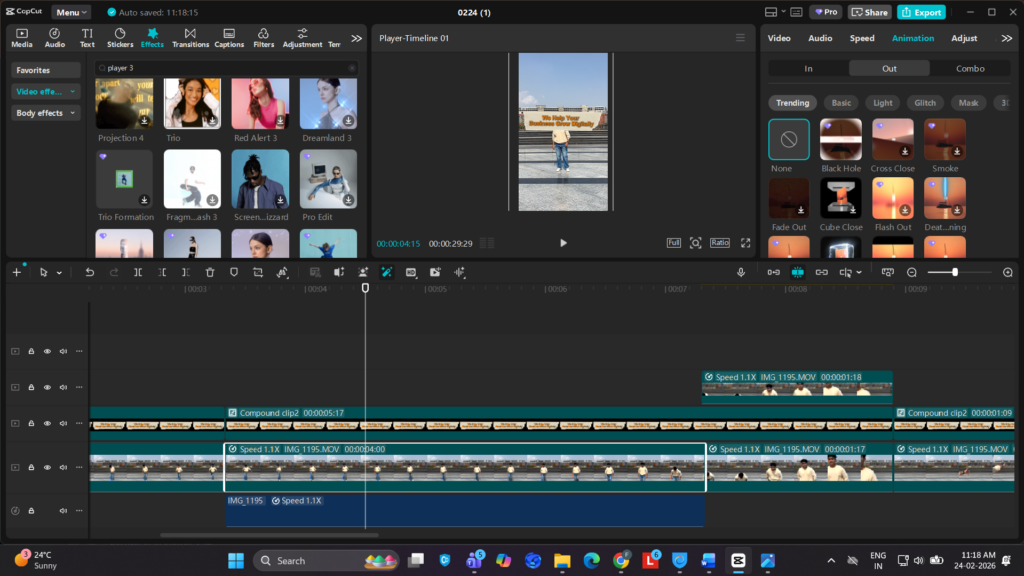
  • Cap Cut – Widely used for TikTok-style edits with built-in templates and effects.
  • Adobe Premiere Pro – A professional-grade editor for more advanced creators.
  • Final Cut Pro – Popular among Mac users for high-performance editing.
  • Canva – Great for simple video edits and branded social content.

The best tool depends on your goals, budget, and skill level. Beginners often start with mobile apps, while professionals may use desktop software for greater control.

Core Elements of Effective Video Editing

1. Strong Hook

The first few seconds determine everything. A strong hook might include:

  • A bold statement
  • A surprising visual
  • A question that sparks curiosity
  • Fast-paced motion or dramatic text

Without a hook, even great content gets ignored.

2. Clean Cuts and Pacing

Modern audiences prefer quick, purposeful cuts. Remove unnecessary pauses, filler words, and dead space. Smooth pacing keeps viewers engaged and improves watch time an important metric on platforms like YouTube.

3. Captions and Text Overlays

Many users watch videos without sound. Captions increase accessibility and retention. Bold, animated subtitles have become a signature editing style across platforms.

4. Sound Design

Music, transitions, and sound effects add emotional depth. Trending audio can boost discoverability, especially on TikTok and Instagram.

5. Branding Consistency

Colores, fonts, intro animations, and editing style should align with your brand. Consistency builds recognition and trust over time.

Editing for Different Platforms

Not all platforms are created equal. Editing should adapt to each one’s audience and format.

TikTok & Instagram Reels

Fast cuts, engaging captions, and trend-driven content dominate. Authentic, relatable videos often outperform overly polished productions.

YouTube

Long-form content requires storytelling structure. Retention strategies such as pattern interrupts, visual changes, and engaging B-roll are essential.

Facebook

Square videos (1:1) and captions perform well, especially for business marketing and community engagement.

Understanding platform culture helps editors tailor content effectively.

The Psychology Behind Viral Edits

Successful editors understand human behaviour. They use techniques such as:

  • Pattern interruption (unexpected visual changes)
  • Curiosity loops (teasing information before revealing it)
  • Emotional triggers (humor, inspiration, shock)
  • Fast visual stimulation to avoid boredom

Algorithms reward content that keeps people watching. Editing plays a major role in boosting retention rates and engagement signals.

Monetizing Social Media Editing Skills

Social media video editing isn’t just creative it’s lucrative. Skilled editors can earn income through:

  • Freelance editing for creators and brands
  • Agency work
  • Selling editing presets and templates
  • Content creation and brand partnerships
  • Online courses and tutorials

As businesses increasingly prioritize video marketing, demand for editors continues to grow.

The Future of Social Media Video Editing

The future points toward AI-assisted editing, automated captions, and smart content repurposing. Many platforms now offer built-in editing features powered by artificial intelligence.

However, while tools evolve, creativity remains irreplaceable. Authentic storytelling, emotional intelligence, and understanding audience behavior will always differentiate exceptional editors from average ones.

Final Thoughts

Social media video editing is more than trimming clips and adding music it’s about storytelling, psychology, branding, and strategy combined. In a world where content floods every feed, strong editing can be the difference between obscurity and virality.

Whether you’re creating content for fun, business, or career growth, mastering video editing gives you a powerful edge. Start simple, experiment consistently, analyze what works, and refine your style.

The digital world rewards those who capture attention and great editing is how you do it.

Top Performing Meta Ad Formats for Lead Generation and Sales in 2025

In today’s competitive digital landscape, businesses are constantly searching for effective ways to reach their target audience, generate quality leads, and boost sales. Meta (formerly Facebook) continues to be one of the most powerful advertising platforms, offering a variety of ad formats tailored to different marketing objectives. As we step into 2025, choosing the right Meta ad format has become crucial for achieving strong returns on investment.

1. Lead Ads

Meta Lead Ads remain one of the most effective formats for generating high-quality leads directly within the platform. These ads allow users to fill out forms without leaving Facebook or Instagram, reducing friction in the conversion process. Businesses can collect essential information such as name, email, and phone number seamlessly, making this format perfect for service-based industries, education, real estate, and more.

2. Video Ads

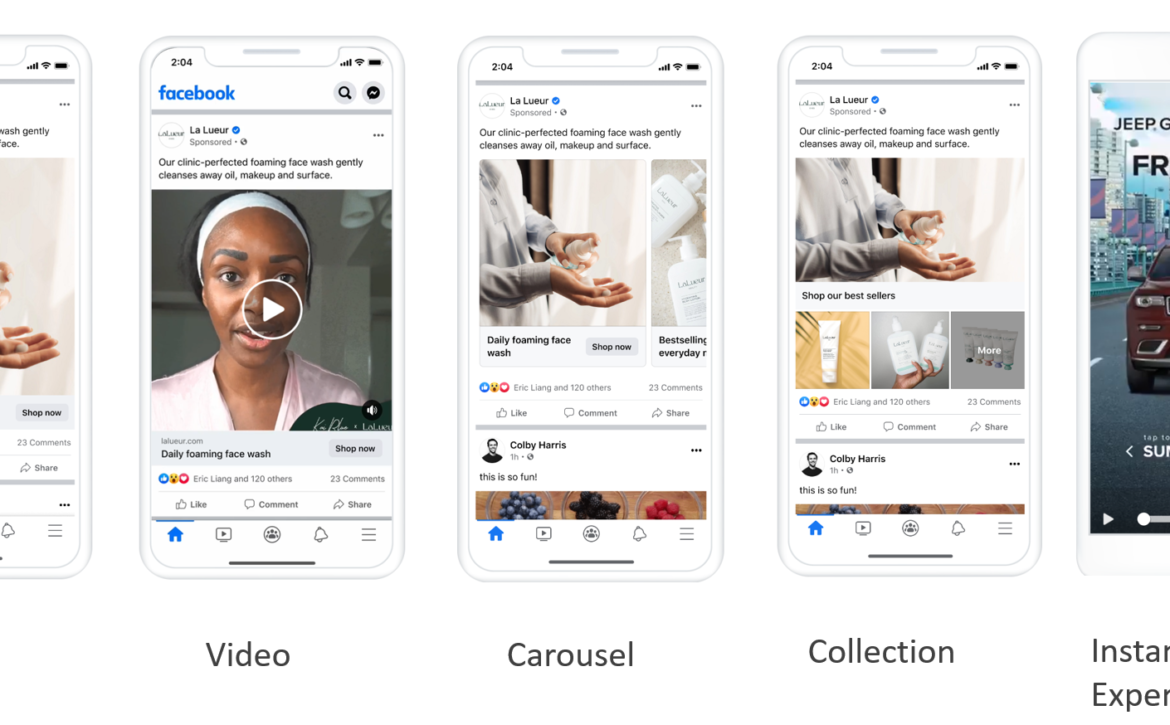
Video ads continue to dominate in 2025 due to their ability to engage audiences with dynamic content. Whether placed in feeds, reels, or stories, video ads effectively showcase product features, customer testimonials, and brand storytelling. Short-form videos under 30 seconds tend to drive higher engagement and improve both lead generation and direct sales.

3. Carousel Ads

Carousel ads allow businesses to display multiple images or videos in a single ad unit. This format works especially well for e-commerce businesses, enabling them to showcase a range of products, highlight different features, or create step-by-step storytelling. With interactive swiping, users can engage more deeply, often leading to higher click-through and conversion rates.

4. Collection Ads

Collection ads are designed for mobile-first audiences, combining video or images with a product catalog. When clicked, they open an Instant Experience where users can browse and shop seamlessly. This immersive experience makes Collection ads one of the best-performing formats for driving both leads and sales, especially in retail and fashion industries.

5. Story Ads

With the growing popularity of vertical, full-screen content, Story Ads have become a must-use format in 2025. They are immersive, engaging, and appear in between organic stories, capturing user attention without being intrusive. Story Ads work particularly well for flash sales, limited-time offers, and quick lead capture campaigns.

6. Advantage + Shopping Campaign Ads

Meta’s AI-powered Advantage+ ads have gained prominence in 2025. These ads automate audience targeting and creative testing to deliver optimized results. For e-commerce brands, Advantage+ Shopping Campaigns have been shown to maximize conversions by dynamically showcasing the most relevant products to each user.

Conclusion

Selecting the right Meta ad format is critical for businesses that want to improve their lead generation and sales performance in 2025. Whether it’s the simplicity of Lead Ads, the engagement power of Video Ads, or the immersive experience of Collection Ads, each format offers unique benefits when aligned with campaign goals.

At Achyutam Technology, we specialize in designing and managing high-performing Meta ad campaigns tailored to your business objectives. By leveraging the latest ad formats and strategies, we help brands maximize visibility, generate qualified leads, and boost revenue.