How Technology Is Changing the Way Designers Create Visual Content
Technology has transformed nearly every creative industry, and graphic design is no exception. Over the last decade, rapid advancements in digital tools, artificial intelligence, automation, and cloud based platforms have significantly changed how designers create visual content. What once required hours of manual work can now be completed in minutes with the help of advanced software and smart design tools.
For designers, this shift has opened new opportunities to work faster, collaborate more effectively, and produce highly engaging visual content across multiple digital platforms.
The Rise of Advanced Design Software
Modern design software has dramatically improved the way designers approach visual creation. Tools like vector editors, photo editing platforms, and layout software now offer powerful features that simplify complex design tasks. These tools allow designers to manipulate images, typography, and graphics with incredible precision.
Many platforms also include templates, automation features, and real time previews that help designers quickly test different design concepts. This speeds up the creative process while maintaining high quality results. As a result, designers can focus more on creativity rather than spending excessive time on technical tasks.
Artificial Intelligence in Graphic Design
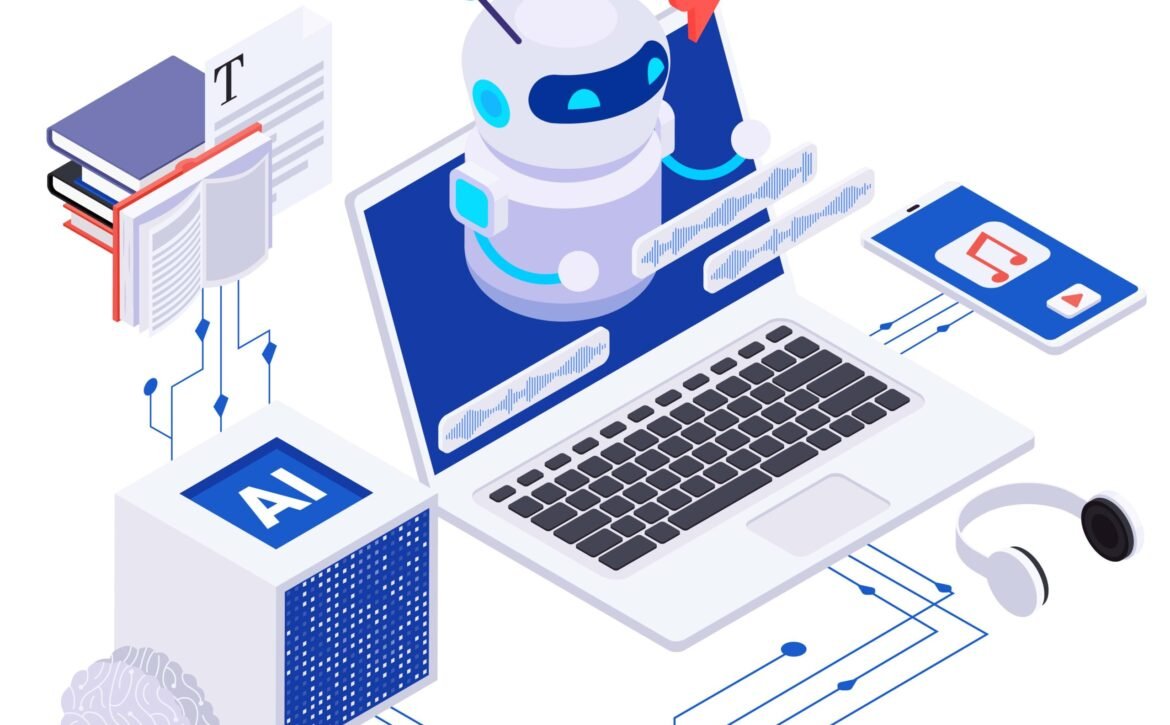
Artificial intelligence is one of the most influential technologies reshaping the design industry. AI powered tools can now generate layouts, suggest color palettes, recommend fonts, and even create complete visual compositions.
These tools analyze design patterns, user behavior, and large datasets to provide intelligent suggestions. Designers can use AI as a creative assistant that speeds up brainstorming and ideation. Instead of replacing designers, artificial intelligence enhances their capabilities and helps them produce innovative designs more efficiently.
Cloud Based Collaboration
One of the biggest changes technology has introduced is cloud based collaboration. Designers are no longer limited to working on a single device or sharing large files through complicated processes.
Cloud design platforms allow multiple team members to work on the same project simultaneously. Designers, developers, and clients can review and comment on designs in real time. This improves communication and ensures that projects move forward quickly without delays.
Cloud storage also provides secure access to design assets from anywhere in the world. Whether working remotely or collaborating across different time zones, teams can stay connected and maintain efficient workflows.
Automation and Design Efficiency
Automation has significantly reduced the time required for repetitive design tasks. Many design tools now include automated features such as resizing graphics for different platforms, generating multiple layout variations, and organizing design assets.
For example, a designer creating content for social media may need to produce the same graphic in several different sizes. Automation tools can instantly generate these variations, saving hours of manual work.
This efficiency allows designers to focus on strategy, creativity, and storytelling rather than repetitive production work. Automation also helps maintain consistency across branding and marketing materials.
The Influence of Data Driven Design
Technology has also introduced data driven design strategies. Designers can now use analytics and user behavior data to guide their creative decisions. This approach helps ensure that visual content not only looks appealing but also performs effectively.
For example, designers can analyze which colors, layouts, or typography styles generate higher engagement rates on websites or social media platforms. This data allows them to refine their designs and create visuals that better connect with audiences.
3D Design and Motion Graphics
Advancements in technology have expanded the possibilities of visual storytelling through 3D graphics and motion design. Designers now have access to tools that allow them to create immersive animations, interactive graphics, and realistic 3D visuals.
Motion graphics have become especially important for digital marketing, video content, and user interfaces. Animated visuals capture attention more effectively than static images and help communicate complex information in a clear and engaging way.
Similarly, 3D design technology allows brands to create visually stunning product displays, advertisements, and virtual experiences.
The Growth of Responsive Design
With the increasing use of smartphones, tablets, and multiple screen sizes, responsive design has become essential. Technology enables designers to create visuals that automatically adapt to different devices and platforms.
Responsive design tools allow designers to preview how graphics will appear on various screens before publishing them. This ensures that visual content remains consistent and visually appealing regardless of where it is viewed.
As digital consumption continues to grow, responsive design technology will remain a critical part of the creative process.
The Future of Design Technology
The future of graphic design will continue to evolve as new technologies emerge. Artificial intelligence, augmented reality, and immersive digital experiences will likely play an even greater role in visual content creation.
Designers who embrace these technologies will gain a competitive advantage in the creative industry. By combining technical tools with human creativity, designers can produce more impactful and engaging visual experiences.
By combining creative design practices with modern digital tools, companies like Achyutam Technology are playing an important role in shaping how businesses create and distribute visual content in the technology driven era.