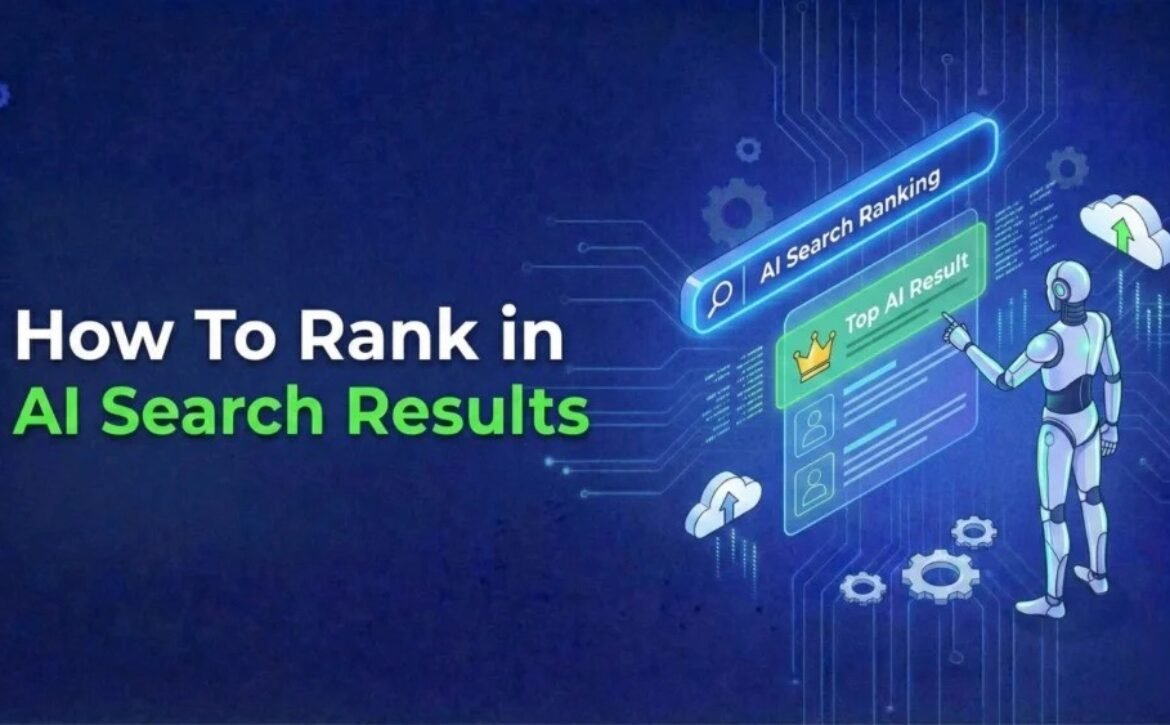

Leading Software for AI Visibility and Generative Engine Optimization
The digital landscape is evolving faster than ever. Traditional search engine optimization is no longer enough to dominate online visibility. Today, businesses must optimize not only for search engines but also for artificial intelligence platforms, large language models, and generative search experiences. This is where leading software for AI visibility and generative engine optimization becomes essential.
Generative Engine Optimization focuses on making your brand, content, and products discoverable within AI driven systems such as conversational search engines, AI assistants, and generative platforms. As AI powered search continues to grow, businesses that fail to adapt risk losing visibility, traffic, and authority.
What Is AI Visibility?
AI visibility refers to how frequently and accurately your brand appears in AI generated responses. When users ask questions in AI tools, the system pulls information from trusted and well structured sources. If your website content is optimized for AI interpretation, you increase the likelihood of being referenced or recommended.
For example, platforms like OpenAI and Google are heavily investing in generative search experiences. Their AI systems analyze structured data, contextual signals, authority metrics, and semantic clarity. This shift requires businesses to move beyond keyword stuffing and focus on structured, entity based, and context rich content.
Why Generative Engine Optimization Matters
Generative Engine Optimization is the next evolution of digital marketing. Instead of simply ranking on traditional search result pages, businesses now need to ensure their content can be interpreted, summarized, and cited by AI systems.
Leading software for AI visibility and generative engine optimization helps businesses:
Improve structured data implementation
Enhance semantic content relevance
Strengthen entity recognition
Optimize for conversational queries
Monitor AI citation frequency
Track generative search performance
The brands that adopt AI optimization strategies early will secure a strong competitive advantage.
Features of Leading Software for AI Visibility and Generative Engine Optimization
AI Entity Mapping
Modern AI visibility software identifies key entities in your content and ensures proper contextual connections. Instead of focusing only on keywords, these tools optimize for topic clusters, knowledge graph alignment, and semantic accuracy.
Structured Data Optimization
Structured data plays a crucial role in generative search. Advanced tools help implement schema markup, FAQ structures, and knowledge panels that AI engines can easily interpret.
Conversational Query Optimization
AI platforms process natural language questions differently than traditional search engines. Leading software analyzes real conversational queries and optimizes your content to match AI generated answer formats.
Content Authority Analysis
Generative engines prioritize authoritative and trustworthy content. AI visibility software evaluates backlinks, content depth, expertise signals, and trust indicators to enhance credibility.
AI Mention Monitoring
Some advanced platforms track how often your brand appears in AI generated responses. This helps measure generative engine performance and visibility growth.
How AI Visibility Differs from Traditional SEO
Traditional SEO focuses on ranking in search engine result pages. Generative Engine Optimization focuses on being referenced, summarized, and recommended within AI generated responses.
Traditional SEO targets keywords.
Generative Engine Optimization targets entities and intent.
Traditional SEO measures clicks.
AI visibility measures AI citations and brand mentions.
Traditional SEO optimizes for search bots.
Generative Engine Optimization optimizes for AI interpretation.
This fundamental shift makes leading software for AI visibility and generative engine optimization a must have for forward thinking businesses.
The Role of AI Platforms in Visibility
AI powered systems like ChatGPT and Google Gemini are transforming how users discover information. Instead of scrolling through multiple links, users receive direct AI generated summaries.
To appear in these responses, businesses must:
Create in depth authoritative content
Use structured formatting and semantic clarity
Build topical authority
Maintain consistent brand mentions across trusted sources
Optimize technical SEO foundations
Leading AI visibility software automates these processes and provides data driven insights to improve generative performance.
Benefits of Investing in Generative Engine Optimization Software
- Higher brand authority in AI driven results
- Increased trust and credibility
- Competitive advantage in emerging AI search ecosystems
- Long term sustainable digital visibility
- Enhanced content discoverability across AI platforms
As AI becomes the primary information gateway, companies that invest in leading software for AI visibility and generative engine optimization position themselves for long term success.
Future of AI Visibility
The future of search is generative. AI systems are continuously evolving, integrating multimodal search, voice queries, and personalized responses. Businesses that align their strategies with AI behavior will outperform competitors still relying solely on traditional SEO.
Generative Engine Optimization is not a temporary trend. It represents the next digital revolution. By leveraging leading software for AI visibility and generative engine optimization, brands can ensure their content is understood, trusted, and recommended by AI systems.
Organizations that prioritize AI visibility today will dominate tomorrow’s generative search landscape. The question is no longer whether AI will transform search. The real question is whether your business is prepared to optimize for it.