
23 Feb
In today’s fast-paced digital world, social media video editing has evolved from a niche skill into a powerful creative and marketing tool. Platforms like Instagram, YouTube, and Facebook have transformed how we communicate, market, and entertain. Behind every viral reel, engaging vlog, or eye-catching ad lies one crucial element: skilful video editing.
Whether you’re a content creator, entrepreneur, influencer, or aspiring editor, understanding social media video editing can help you stand out in a crowded digital landscape.
Why Social Media Video Editing Matters
Attention spans are shorter than ever. Studies suggest that viewers decide within the first few seconds whether they’ll continue watching a video. Editing determines whether your content grabs attention or gets scrolled past.
Effective video editing helps you:
- Capture attention in the first 3 seconds
- Communicate your message clearly and quickly
- Maintain viewer engagement
- Build a recognizable brand identity
- Increase shares, saves, and conversions
In essence, editing transforms raw footage into a compelling story.
The Shift Toward Short-Form Content
The explosion of short-form video content has redefined editing styles. Platforms like TikTok and Instagram Reels prioritize dynamic, fast-paced videos that are visually engaging and emotionally resonant.
Key characteristics of short-form editing include:
- Quick cuts and jump transitions
- Bold captions and subtitles
- Trending audio integration
- High-energy pacing
Unlike traditional filmmaking, social media editing prioritizes speed and clarity over cinematic perfection. It’s about impact, not length.
Essential Tools for Social Media Video Editing
You don’t need a Hollywood studio to create engaging content. Many creators use accessible tools that deliver professional quality results.
Popular editing tools include:
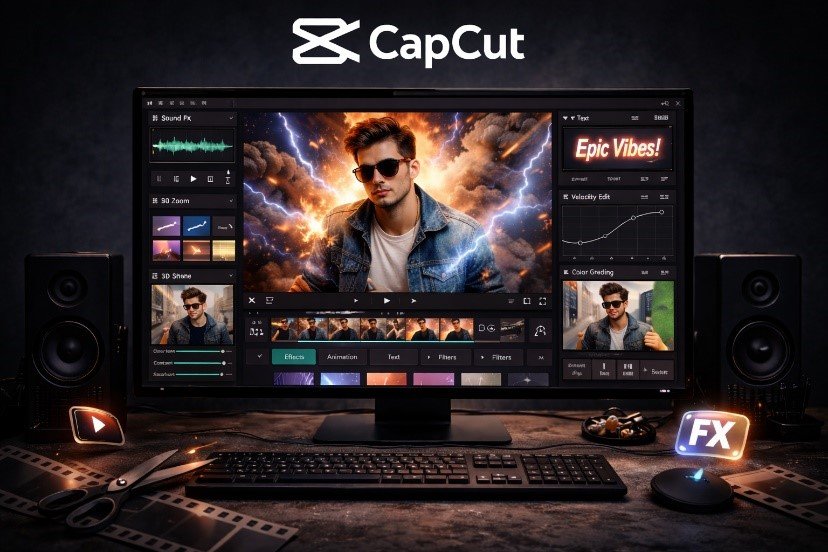
- Cap Cut – Widely used for TikTok-style edits with built-in templates and effects.
- Adobe Premiere Pro – A professional-grade editor for more advanced creators.
- Final Cut Pro – Popular among Mac users for high-performance editing.
- Canva – Great for simple video edits and branded social content.
The best tool depends on your goals, budget, and skill level. Beginners often start with mobile apps, while professionals may use desktop software for greater control.
Core Elements of Effective Video Editing
1. Strong Hook
The first few seconds determine everything. A strong hook might include:
- A bold statement
- A surprising visual
- A question that sparks curiosity
- Fast-paced motion or dramatic text
Without a hook, even great content gets ignored.
2. Clean Cuts and Pacing
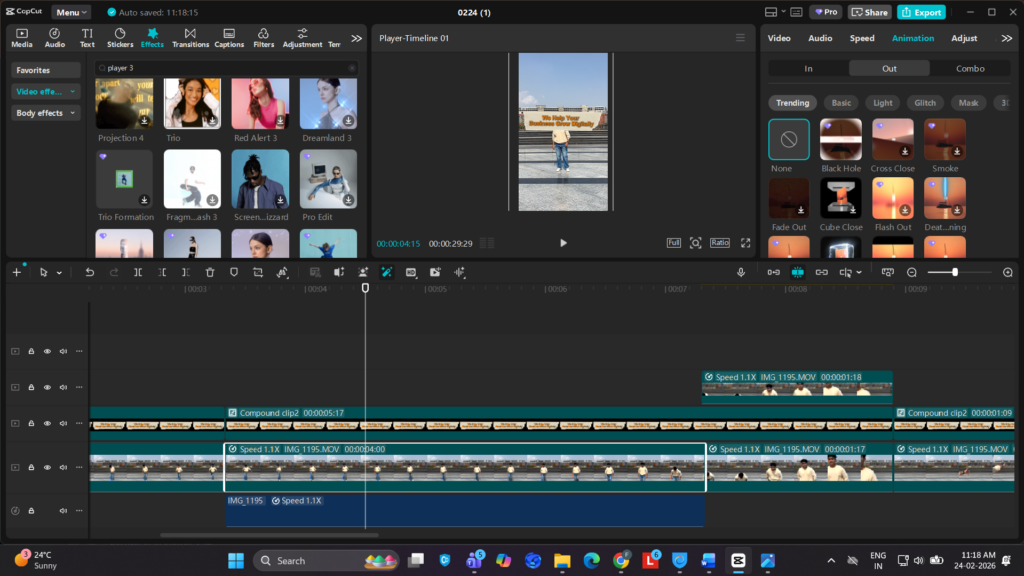
Modern audiences prefer quick, purposeful cuts. Remove unnecessary pauses, filler words, and dead space. Smooth pacing keeps viewers engaged and improves watch time an important metric on platforms like YouTube.
3. Captions and Text Overlays
Many users watch videos without sound. Captions increase accessibility and retention. Bold, animated subtitles have become a signature editing style across platforms.
4. Sound Design
Music, transitions, and sound effects add emotional depth. Trending audio can boost discoverability, especially on TikTok and Instagram.
5. Branding Consistency
Colores, fonts, intro animations, and editing style should align with your brand. Consistency builds recognition and trust over time.
Editing for Different Platforms
Not all platforms are created equal. Editing should adapt to each one’s audience and format.
TikTok & Instagram Reels
Fast cuts, engaging captions, and trend-driven content dominate. Authentic, relatable videos often outperform overly polished productions.
YouTube
Long-form content requires storytelling structure. Retention strategies such as pattern interrupts, visual changes, and engaging B-roll are essential.
Square videos (1:1) and captions perform well, especially for business marketing and community engagement.
Understanding platform culture helps editors tailor content effectively.
The Psychology Behind Viral Edits
Successful editors understand human behaviour. They use techniques such as:
- Pattern interruption (unexpected visual changes)
- Curiosity loops (teasing information before revealing it)
- Emotional triggers (humor, inspiration, shock)
- Fast visual stimulation to avoid boredom
Algorithms reward content that keeps people watching. Editing plays a major role in boosting retention rates and engagement signals.
Monetizing Social Media Editing Skills
Social media video editing isn’t just creative it’s lucrative. Skilled editors can earn income through:
- Freelance editing for creators and brands
- Agency work
- Selling editing presets and templates
- Content creation and brand partnerships
- Online courses and tutorials
As businesses increasingly prioritize video marketing, demand for editors continues to grow.
The Future of Social Media Video Editing
The future points toward AI-assisted editing, automated captions, and smart content repurposing. Many platforms now offer built-in editing features powered by artificial intelligence.
However, while tools evolve, creativity remains irreplaceable. Authentic storytelling, emotional intelligence, and understanding audience behavior will always differentiate exceptional editors from average ones.
Final Thoughts
Social media video editing is more than trimming clips and adding music it’s about storytelling, psychology, branding, and strategy combined. In a world where content floods every feed, strong editing can be the difference between obscurity and virality.
Whether you’re creating content for fun, business, or career growth, mastering video editing gives you a powerful edge. Start simple, experiment consistently, analyze what works, and refine your style.
The digital world rewards those who capture attention and great editing is how you do it.